Focused arrival windows
Useful updates and clear arrival timing.
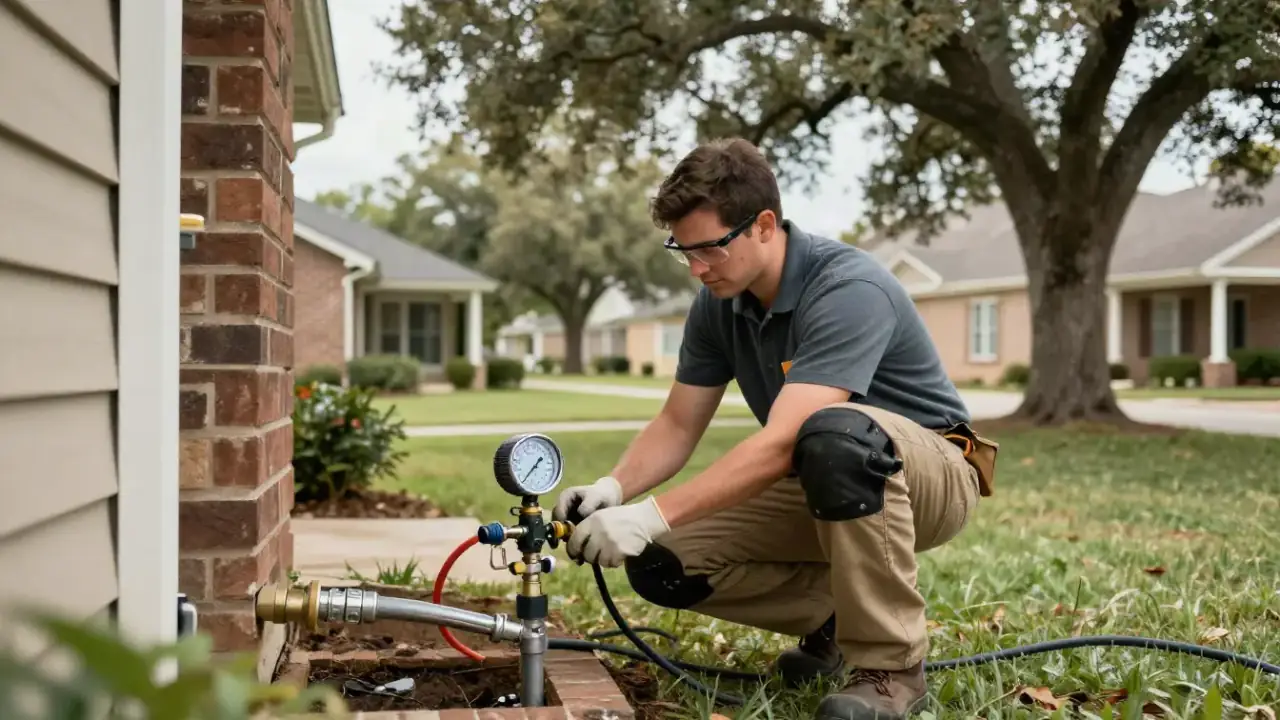
When your water bill spikes or your yard stays soggy, Water Service Line Repair Spring TX is the call that stops the bleeding. We pinpoint the break with acoustic and thermal gear, then repair or replace the line with code-correct materials. Homeowners from Old Town Spring to Gleannloch Farms trust us for main water line repair Spring because we dig less, fix faster, and leave the line pressure-tested before we go.
Useful updates and clear arrival timing.
Review the approach and price before deciding.
Equipped vehicles and respectful cleanup.
Neighbors serving neighbors with follow-through.
Every repair job includes locating, excavation, the repair itself, and verification. We tell you upfront if something on your property falls outside the standard scope, like driveway replacement or sprinkler rerouting, so there are no surprises on the invoice.
Acoustic detection, pipe locating, and moisture mapping from the meter to the house entry point. We mark the dig zone before any shovel hits the ground. This is included on every job, not billed as a separate diagnostic.
We open the smallest practical access to reach the damaged section, hand-dig near other utilities, and protect landscaping where we can. Debris is hauled off. Most residential access holes are backfilled and compacted the same day.
Copper pipe, PEX tubing, or CPVC pipe repair using code-correct fittings and materials matched to your existing line. If we replace a section, we use the same diameter and material type so flow and pressure stay consistent.
We pressurize the repaired line and hold it to confirm no leaks remain before backfilling. You get the test result documented. This step is what separates a repair from a guess.
We provide a written summary of the leak location, cause, and repair with meter readings. Many Spring-area water providers will adjust a bill for a documented underground leak, and this paperwork supports that request.
Share what is happening and receive a clear next step from the local team.
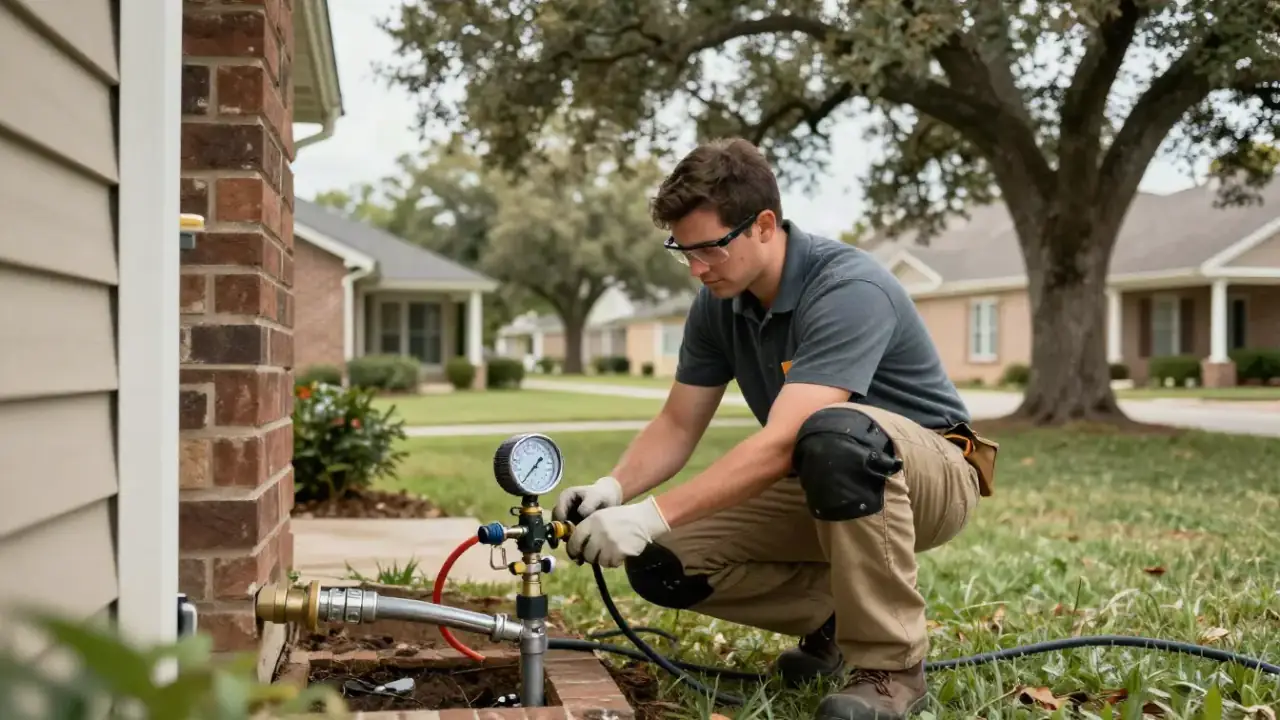
Water Service Line Repair Spring TX is the diagnosis and correction of the pipe running from your water meter to your home. That line sits underground, usually 18 to 36 inches deep, and it carries full municipal pressure 24 hours a day. When it cracks, corrodes, or shifts, you lose water into the soil and pressure inside the house. We isolate the leak with acoustic leak detection equipment and a pressure testing kit, then repair the section or replace the full run in copper pipe or PEX tubing depending on what your home already uses.
Spring sits on expansive clay soil that swells after every heavy rain and shrinks hard in summer drought. That cycle flexes underground pipe until joints weep and older copper finally splits. Add the freeze events we get most winters and you have the two leading causes of water service line leak repair Spring, Texas homeowners call about. If you have noticed a high water bill, a wet patch in the yard, or the sound of running water when every fixture is off, an underground water line repair Spring TX is likely already overdue.
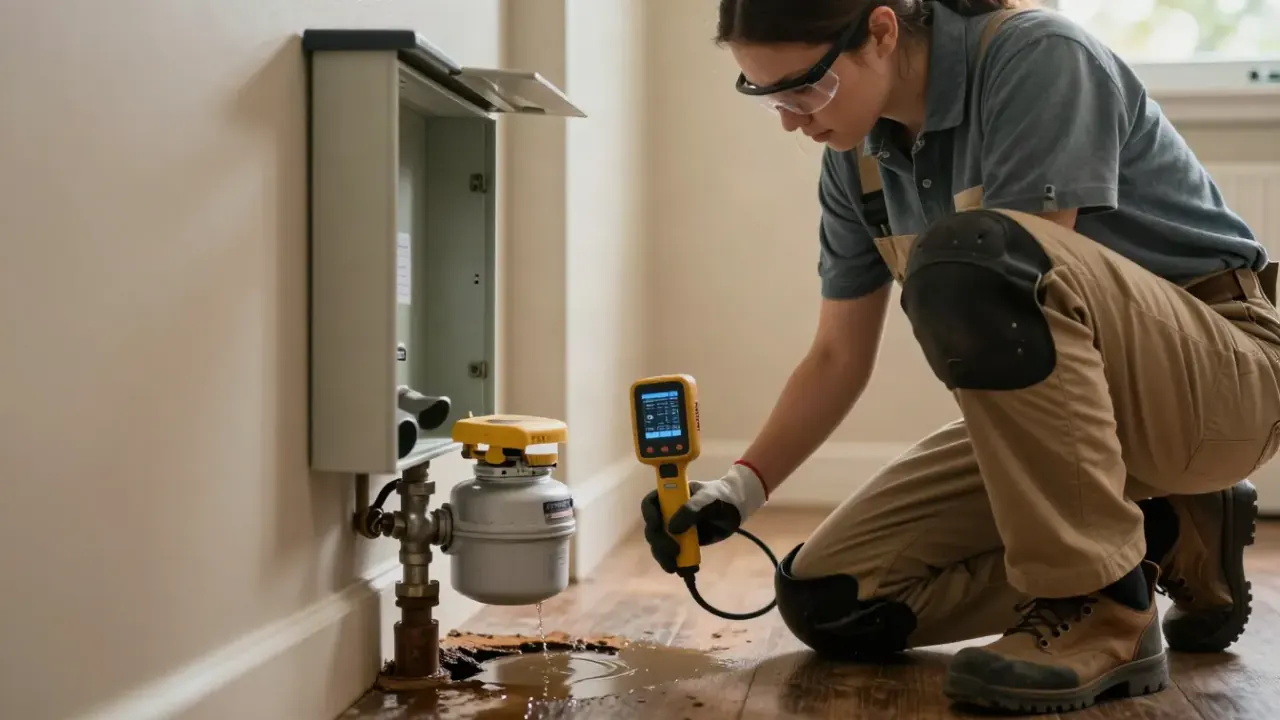
You call and describe what you are seeing: high bill, wet spot, low pressure, or the meter spinning with everything off. We ask a few targeted questions and book a same-day or next-morning visit. Most Spring addresses get a technician on site within a few hours for active leaks.
We start at the meter and work toward the house. Acoustic leak detection equipment picks up the hiss of escaping water, a pipe locator maps the line, and a moisture meter confirms the wet zone. This usually takes 45 to 90 minutes and tells us exactly where to dig.
If the damage is isolated, we cut out the bad section and splice in new copper pipe or PEX tubing with proper fittings. If the run is corroded end to end, we recommend replacement. Trenchless repair equipment lets us pull new line through the old path in many yards, saving your landscaping.
Before anything goes back in the ground, we pressurize the repaired line and hold it. A drop in pressure means we keep working. When it holds steady, we know the repair is sound and you will not be calling us back next month for the same spot.
We backfill, compact the soil, and restore the surface as close to original as we can. Then we walk the job with you, show you the repair, and explain what to watch for. You get the paperwork you need for a bill adjustment claim.
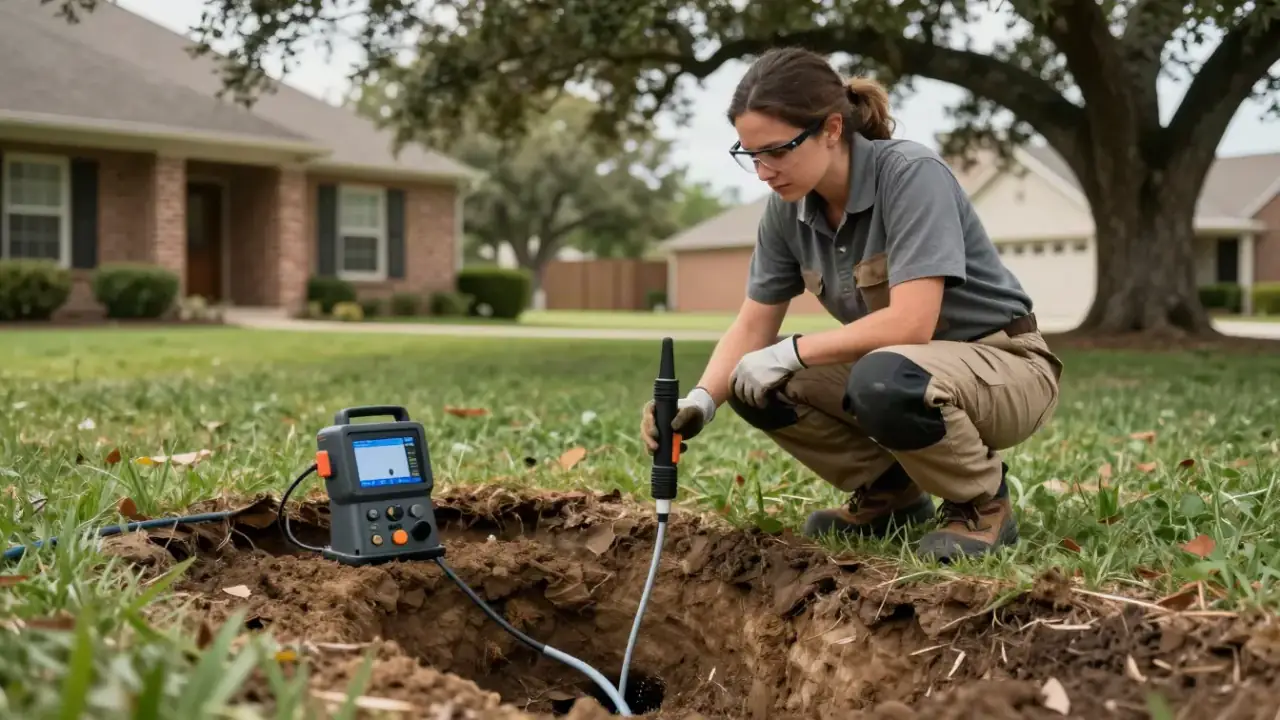
Picks up the high-frequency hiss of pressurized water escaping underground. Lets us narrow the dig zone to within a foot or two before we open any ground.
Reveals temperature differences caused by moving water under soil or slab. Confirms the wet zone and helps rule out irrigation and slab leaks before we commit to a repair plan.
Lets us look inside the service line to see corrosion, root intrusion, or collapsed sections. We use it to decide between a spot repair and a full replacement.
Maps the exact path of the underground line and measures moisture content in soil and building materials. Together they tell us where to dig and where not to.
Pulls new PEX tubing through the old line path with minimal excavation. Ideal for long runs under lawns and driveways where trenching would be destructive.
Pressurizes the repaired line and holds it to verify the fix. No backfill happens until the gauge holds steady.
All repairs follow IPC standards for underground water supply lines, including depth, bedding material, and backflow protection. Work is inspected where local jurisdiction requires it, and we handle the coordination.
For straight runs with minimal bends, we pull new PEX tubing through the existing line path. This avoids a full trench, protects landscaping, and typically cuts restoration time and cost by half compared to open excavation.
When damage is isolated, we cut out the failed section and splice in new copper or PEX with proper fittings and solder or press connections. The repair matches the existing line diameter so flow and pressure stay consistent.
We isolate the service line from interior plumbing and the irrigation system, then pressure-test each segment separately. This confirms the exact source of the loss and prevents unnecessary repairs elsewhere on the property.
We run a full meter test, confirm the loss is on the service line, and locate the break about 20 feet from the meter box. The repair takes an afternoon. We document the readings and provide the summary for the utility adjustment request. The next billing cycle returns to the normal $95 to $110 range, and the yard patch dries out within a week.
We crawl the space with a moisture meter and thermal imaging camera, find a failed fitting on the service line entry, and repair it from underneath without pulling up any flooring. Pressure test confirms the fix. The noise stops, the subfloor dries, and no flooring replacement is needed. Total job time is under four hours.
We respond on the emergency line, isolate the commercial service line at the meter, and excavate the break. The repair is completed and pressure-tested the same day, with documentation provided for the property insurance claim. Water is restored by mid-afternoon, the lot is cleared, and the property avoids a multi-day shutdown.
Spring sits on some of the most active clay soil in Harris County. That clay expands after every heavy rain and contracts hard in summer drought, and that movement is what breaks most underground lines here. Add the freeze events we get most winters, when shallow lines are most vulnerable, and you have the two leading causes of service line failure in this area. Older neighborhoods like Old Town Spring and Timberlane have more copper pipe in the ground, which corrodes and splits at joints. Newer builds in Gleannloch Farms and Auburn Lakes often use PEX tubing, which handles soil movement better but can still fail at fittings. We work to International Plumbing Code standards on every repair, and we know the local utility requirements for documentation when you file a bill adjustment. If you are searching for how to fix a leaking water service line in Spring TX, the honest answer is that it depends on the pipe material, the depth, and whether the break is isolated or the whole run is failing. We figure that out on site and give you the straight answer.
Older housing stock with original copper service lines. Corrosion and joint failures are common, and mature trees send roots toward the pipe path.
Newer PEX and CPVC service lines. Failures here usually trace to fitting defects or soil movement after heavy rain rather than pipe corrosion.
Mix of pier-and-beam and slab homes. Under-house access makes service line repairs faster and cheaper when the line runs through the crawl space.
Established neighborhood with deep service lines and mature landscaping. Locating accuracy matters here to avoid disturbing irrigation and tree roots.
Flexes underground pipe with every wet-dry cycle. Joints weep first, then split. This is the single most common cause of service line leaks we see in Spring.
Lines buried less than 18 inches are vulnerable. Ice expansion cracks copper and pushes fittings apart. We see a spike in emergency calls after every hard freeze.
Roots follow the moisture gradient toward a weeping pipe and eventually intrude at joints. Video inspection confirms root damage before we choose a repair method.
Sustained pressure above 80 psi accelerates wear on fittings and copper. We check static pressure at the meter and flag it if a pressure-reducing valve is needed.
A homeowner's water bill jumped from $105 to $340 in one cycle. A 6-foot wet patch sat between the meter and the foundation and never dried. The meter dial spun with every fixture off, confirming an active underground leak.
We located the break 22 feet from the meter with acoustic gear, excavated a 3-by-3 access hole, and replaced a corroded copper section with new copper and press fittings. Pressure test held at 80 psi. The next bill returned to $98.
Maintenance: We recommended checking the meter monthly with all fixtures off. If the dial moves, call before the next billing cycle. Keep the repaired area clear of heavy foot traffic for two weeks while the soil settles.
A service line under a concrete driveway in Windrose failed twice in 18 months. Two spot repairs had already been done. The homeowner faced a third dig and the cost of replacing the driveway section above the line.
We pulled new PEX tubing through the old line path with trenchless equipment, opening only two small access pits at each end. The driveway stayed intact. Full pressure test passed, and the homeowner avoided roughly $4,000 in concrete work.
Maintenance: PEX handles soil movement well, but keep an eye on the access points for settling. We mark the line path so future landscaping or fence work avoids the pipe.
After a hard freeze, a homeowner in Old Town Spring woke to water bubbling up next to the meter box. The line had split at a joint, and water was running down the driveway toward the street.
We isolated the line at the meter shutoff within 30 minutes of arrival, excavated the split joint, and replaced the damaged copper section. The repair was pressure-tested and backfilled the same morning. Water was restored before noon.
Maintenance: Before the next freeze, disconnect hoses and insulate any exposed pipe at the meter. If you leave town during a cold snap, shut the water off at the meter and drain the line.
Most service line calls come down to four problems. We see them every week across Spring, and we know how each one behaves in local soil and housing stock.
You are paying for water that never reaches a fixture. A moderate leak can add $80 to $200 a month until it is found and fixed. We start at the meter and isolate the loss. If the dial moves with every fixture off, the service line is the prime suspect. Acoustic gear confirms the break location, and we repair it, then document the before-and-after readings for a bill adjustment.
Constant moisture kills grass, attracts roots toward the pipe, and softens the soil under nearby foundations. The leak usually gets worse, not better. We map the wet zone with a moisture meter and locate the pipe with a pipe locator. The repair is targeted to the break, not the whole yard. After backfill, we compact and restore the surface so the area drains normally again.
A partially failed line restricts flow to every fixture. Showers weaken, appliances take longer to fill, and the problem worsens as the break erodes. We pressure-test the service line separately from the interior plumbing to confirm the restriction is underground. If the line is corroded, we recommend water service line replacement Spring rather than repeated patches. New PEX or copper restores full pressure.
This is an active, pressurized break. It can undermine the meter box, flood the foundation bed, and waste thousands of gallons a day. This is an emergency water main repair Spring TX call. We isolate the line at the meter shutoff, excavate the break, and repair it the same day. If the line is too deteriorated to splice, we replace the section and pressure-test before restoring water.
$450 - $6,500 depending on scope
Typical 2026 pricing in the Spring area runs $450 to $1,800 for a spot repair and $2,500 to $6,500 for a full line replacement. The spread comes down to depth, length, surface restoration, and whether we can use trenchless methods. We give you the number before we dig, and we tell you when a repair no longer makes financial sense. Affordable water service line repair Spring TX means the right fix at a fair price, not the cheapest patch that fails next season.
The repair stops water loss that can run $80 to $200 a month, protects your foundation from soil erosion, and comes with a workmanship warranty. Most customers recover the cost of a spot repair within a year through lower bills and avoided damage.
Lines buried 18 to 24 inches are straightforward. Deeper lines, especially under driveways or mature landscaping, require more excavation and shoring, which adds labor and time to the job.
A single spot repair on an accessible line is the low end. If the pipe is corroded along its length, replacing the full run costs more upfront but avoids repeat digs. We show you the condition inside the pipe with a camera before recommending.
Grass and soil are simple to restore. Concrete, pavers, and decorative landscaping add cost because they need to be cut, removed, and rebuilt. Trenchless methods can avoid much of this when the line path allows.
Standard residential copper and PEX are common and priced accordingly. Larger diameter commercial lines or unusual materials cost more in parts and require different fittings and connection methods.
Active leaks that need immediate response carry emergency rates. If you can schedule the repair during normal hours, the same job costs less. We tell you honestly whether it can wait until morning.
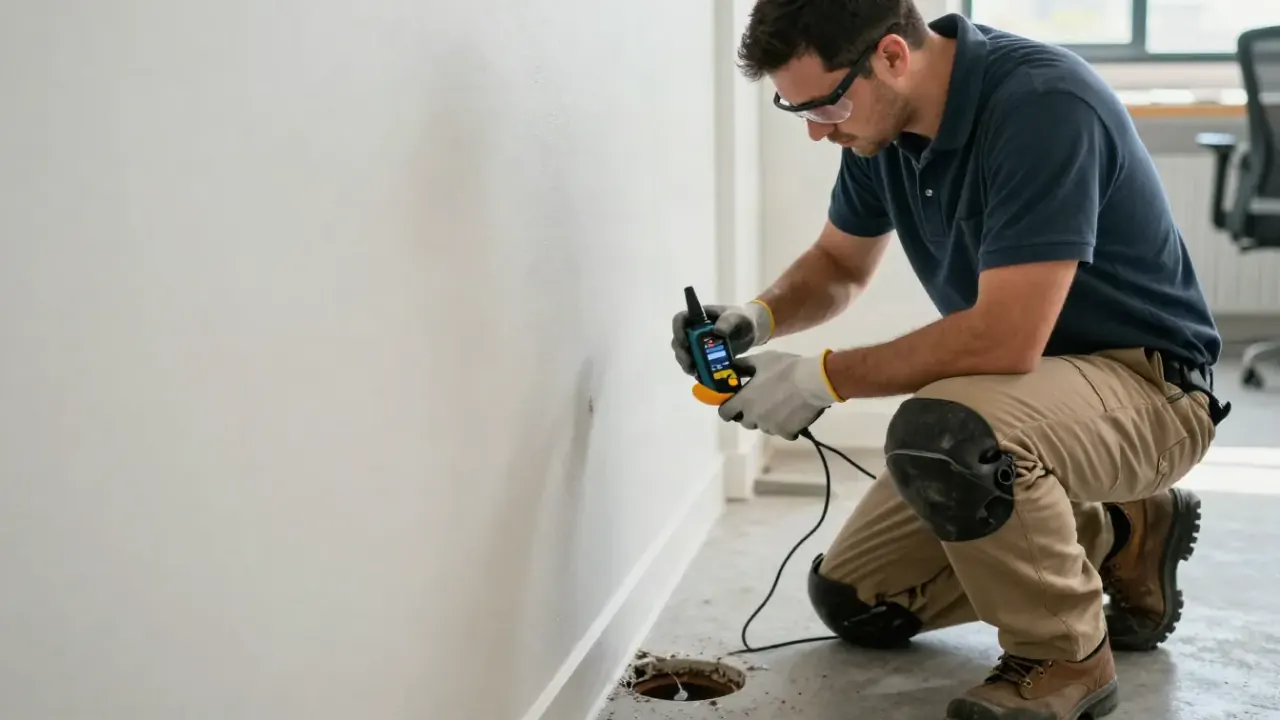
Our technicians hold Texas State Board of Plumbing Examiners (TSBPE) credentials, including Master Plumber License and Journeyman Plumber License holders who work under the International Plumbing Code (IPC) and Uniform Plumbing Code (UPC) every day. We run RIDGID inspection cameras, Sewerin acoustic gear, and Fluke thermal imaging on residential and commercial lines across Harris County. Underground work is all we do, so we have seen how Spring clay, tree roots, and old copper fail in every combination.
Our water bill doubled in one month and I could hear water running at night. They found the break in the service line about 12 feet from the meter, dug one small hole, and had it repaired the same day. Pressure test held, bill went back to normal the next cycle. Clean work.
We had a soggy spot in the yard for weeks and two other companies wanted to trench the whole lawn. These guys used acoustic gear and a camera, pinpointed it, and did a trenchless pull. You can barely tell they were here. Saved the landscaping and a few thousand dollars.
Called them at 6 a.m. on a Saturday with an active leak flooding a parking area. Crew was on site before 8 and had the line isolated and repaired by early afternoon. They handled the pressure test and gave me the documentation for the insurance claim. Exactly what you want in an emergency.
Most residential repairs run $450 to $1,800, and full line replacements run $2,500 to $6,500 depending on length and depth. A simple joint repair on an accessible line sits at the low end. Long runs under driveways, mature trees, or deep clay push toward the top. We give you the number before we dig, and we tell you if replacement makes more sense than another patch.
You need a licensed plumbing contractor with underground leak detection equipment, not a general handyman. We hold TSBPE Master and Journeyman credentials and work to International Plumbing Code standards on every repair. We handle the locating, the excavation, the repair, and the pressure test in-house, so you are not coordinating three different companies.
Sometimes, yes. Trenchless repair equipment lets us pull new PEX tubing through the old line path with only small access pits at each end, which protects your lawn and driveway. It works best on straight runs with no sharp bends. If the line has collapsed or the leak sits under a slab, we may still need a targeted excavation.
The four most common signs are a water bill that jumps 20 percent or more with no change in use, a soggy patch in the yard that stays wet between rains, the sound of running water when every fixture is off, and dropping pressure inside the house. Check your meter at night with everything off. If the dial moves, you have a leak.
Not seeing your question? Our local team can help you understand urgency, scheduling and what to expect.
Ask the local team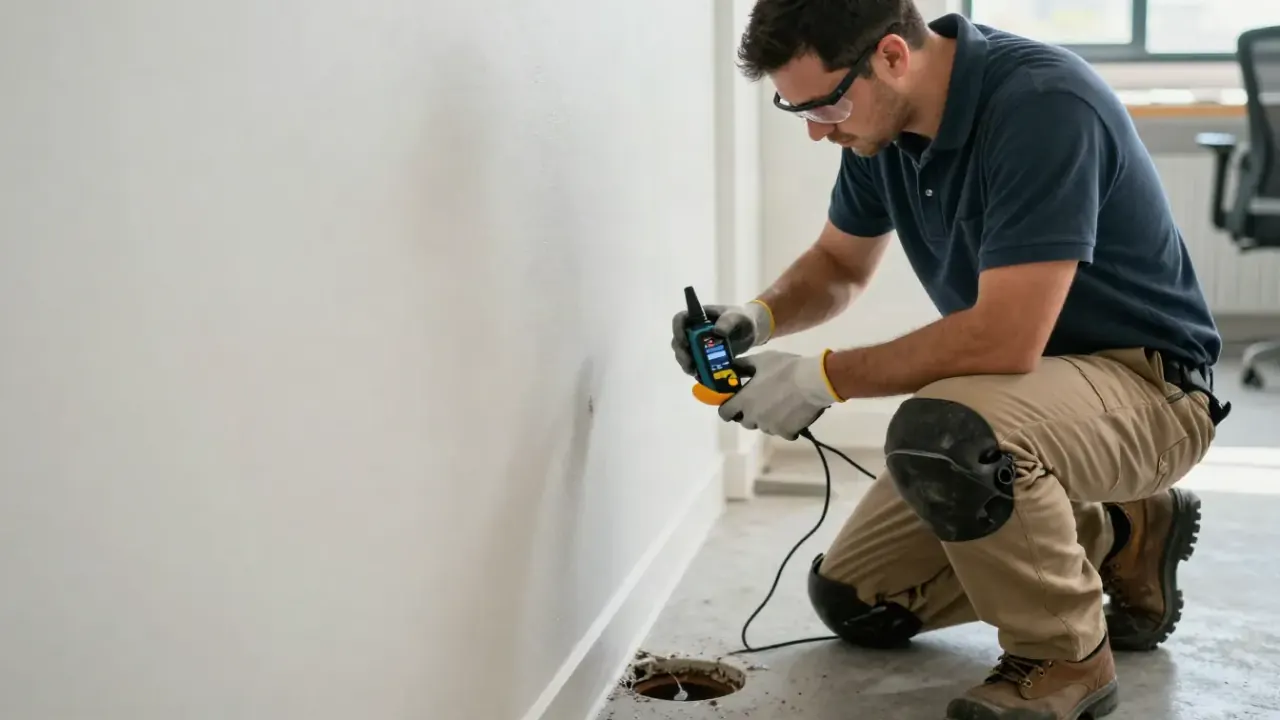
A service line leak and a slab leak can look identical on your bill. We pressure-test the service line first to rule it out, then use thermal imaging and acoustic gear to confirm whether the loss is under the slab. Getting the diagnosis right saves you from breaking concrete unnecessarily.
View serviceBefore you authorize any repair, we isolate where the water is going. We check the meter, the service line, the irrigation zones, and the fixtures in sequence. Most high-bill calls in Spring trace back to either the service line or an irrigation leak, and we confirm which one in a single visit.
View service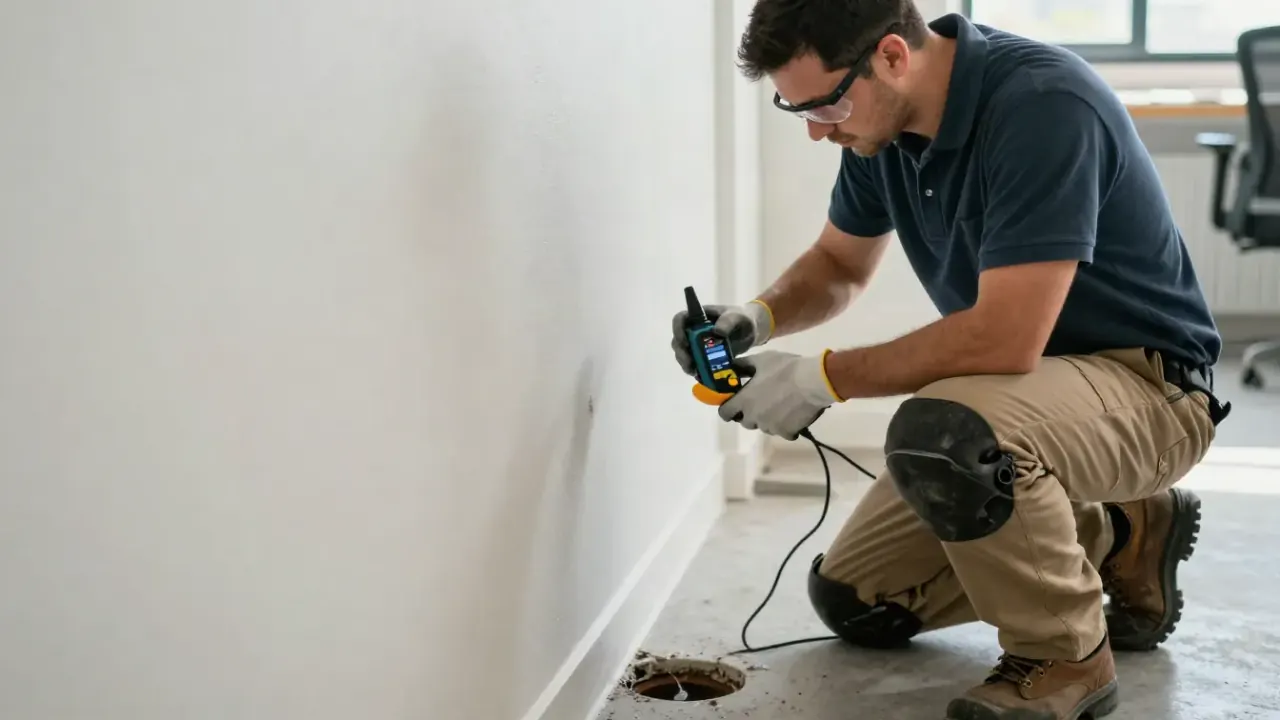
If the meter itself is spinning or the city flagged abnormal usage, we verify whether the loss is on your side of the meter or theirs. That distinction decides who pays for the repair. We document our findings so you have a clear answer to give the utility.
View service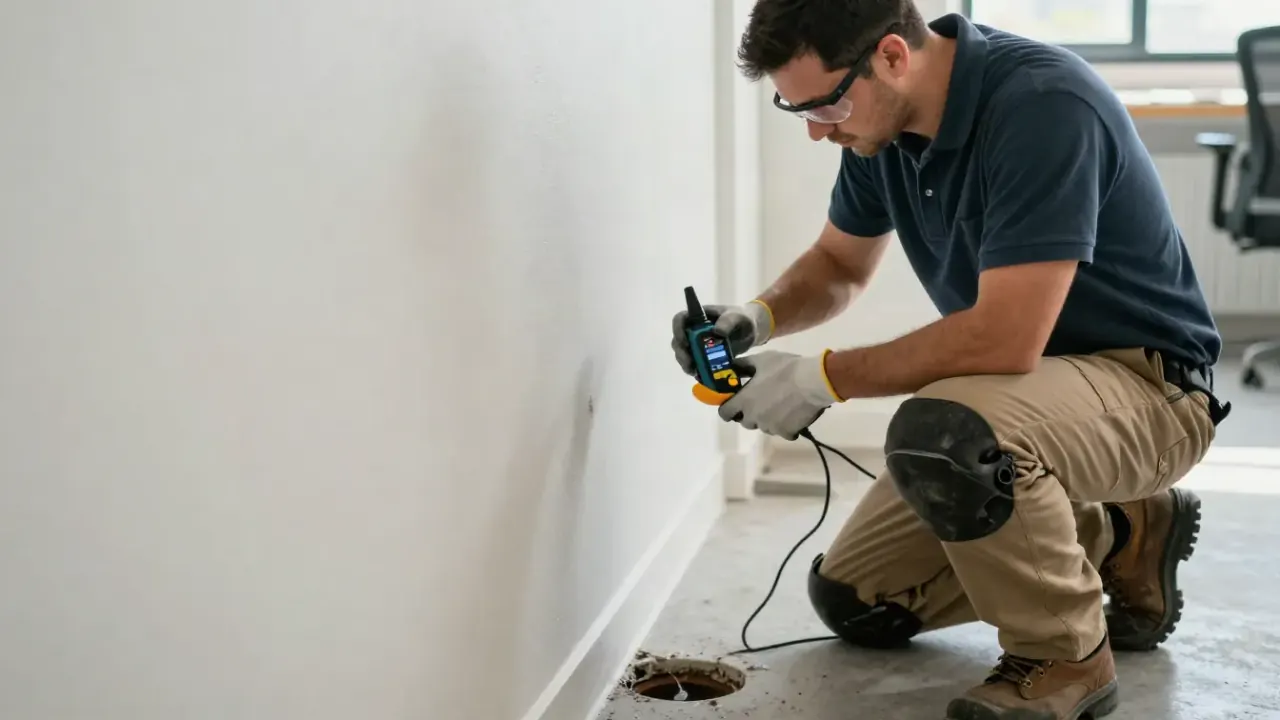
Commercial service lines carry larger volume and higher pressure, so a small break wastes far more water. We locate and repair commercial lines for offices, retail, and multi-family properties across Harris County, working around your operating hours to keep the water on.
View serviceCall (281) 248-8538 and we will get a licensed tech scheduled, usually the same day. We answer the phone 24/7 for active leaks, and we cover Spring, Harris County, and the surrounding communities. Tell us what you are seeing and we will bring the right gear.