Focused arrival windows
Useful updates and clear arrival timing.
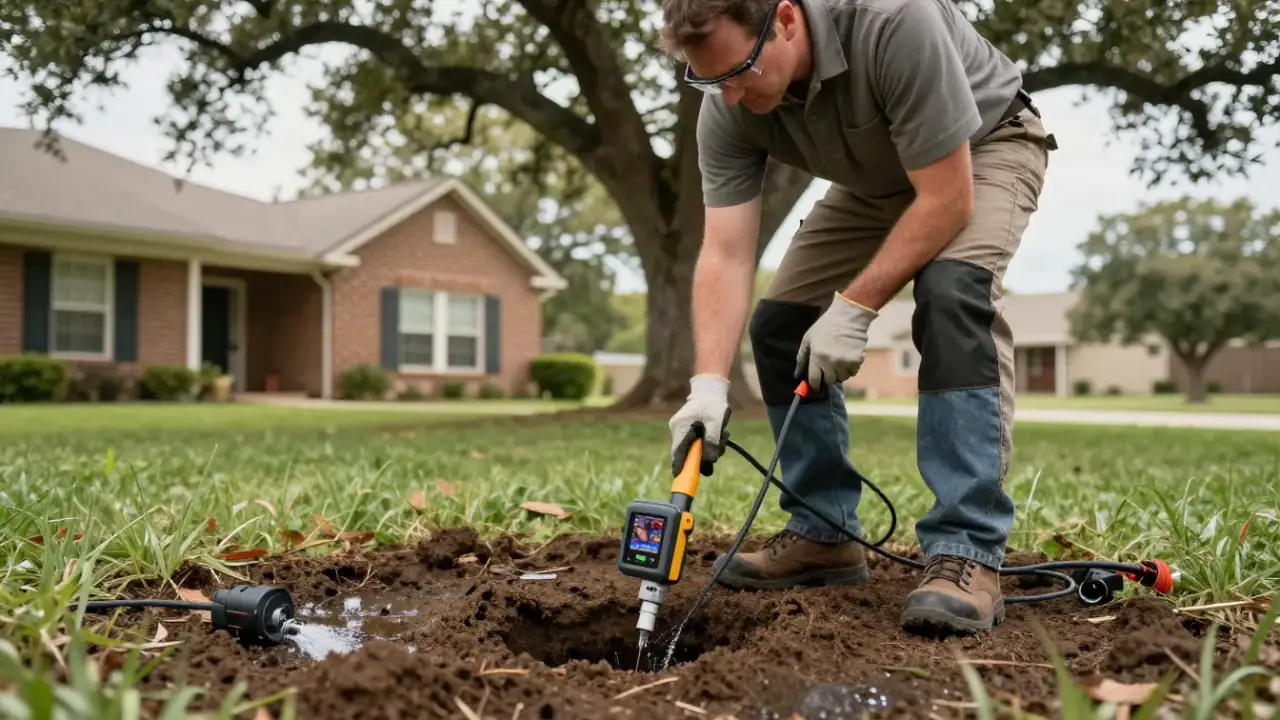
Irrigation and Sprinkler Leak Repair Spring TX starts with finding the exact break in your lawn line, not guessing. We handle sprinkler system leak repair Spring homeowners call about when a zone won't hold pressure, a head won't pop, or the water bill jumps. Licensed techs, same-day diagnosis, and a repair that holds through the next freeze.
Useful updates and clear arrival timing.
Review the approach and price before deciding.
Equipped vehicles and respectful cleanup.
Neighbors serving neighbors with follow-through.
Every irrigation and sprinkler leak repair call includes the diagnostic work needed to find the break and the repair needed to fix it. If the problem turns out to be a domestic line instead of the irrigation system, we tell you before any work starts and quote that repair separately.
We run every zone at the controller and watch the meter to identify which lateral is losing water. This takes 20 to 30 minutes and prevents digging in the wrong place.
Acoustic leak detection equipment and a pipe locator trace the lateral and pinpoint the break. On poly and PEX tubing we can often hear the spray through the soil before we open a trench.
We cut out the failed section and rebuild it with Schedule 40 PVC pipe, new pipe fittings, and solvent weld or solder. Repairs are pressure-tested before backfill.
Stuck valves, cracked valve bodies, and broken heads get replaced with matching parts. We check the solenoid and wiring while the valve box is open.
We test the backflow assembly after any mainline repair and confirm it meets code. If it fails, we can replace it on the spot with a certified assembly.
We reset your run times and season adjust, then walk you through what failed, what we replaced, and how to drain the system before a freeze.
Share what is happening and receive a clear next step from the local team.
Irrigation and Sprinkler Leak Repair Spring TX is the process of locating a failed sprinkler line, valve, or head and restoring it so your zones pressurize and shut off correctly. We isolate each zone, pressure-test the lateral lines, and use acoustic leak detection equipment to hear water escaping underground. Most breaks sit at a fitting, a cracked PVC pipe, or a valve that never fully closes. We cut out the failed section, rebuild it with Schedule 40 PVC pipe and new pipe fittings, and test the zone before we backfill.
Spring sits on expansive clay soil that swells after heavy rain and shrinks hard in summer drought. That movement shears sprinkler laterals and cracks valve bodies. If your system is losing pressure or a zone stays wet, sprinkler leak detection Spring TX can save thousands of gallons a month. We also check the backflow assembly and controller wiring, because a stuck valve looks identical to a broken pipe until you test it.
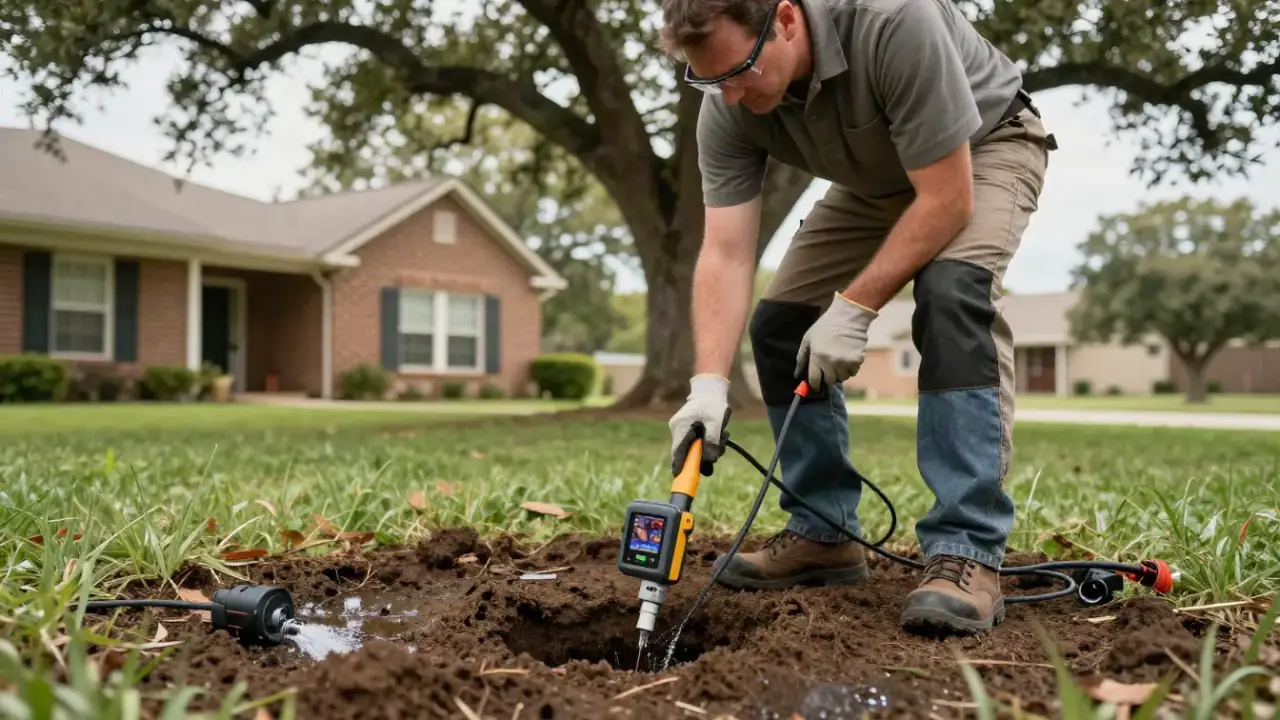
You tell us what the system is doing: a zone that won't shut off, a wet spot in the yard, or a water bill that jumped. We ask for your controller brand and zone count, then schedule a same-day or next-morning visit. Calls before 2 p.m. usually get a tech that afternoon.
We run each zone at the controller and watch the meter. A zone that keeps spinning the meter after the cycle ends is the leaking one. This takes 20 to 30 minutes on a typical six-zone Spring system and narrows the search before we dig anything.
We use acoustic leak detection equipment and a pipe locator to trace the lateral and pinpoint the break within a foot or two. On systems with poly or PEX tubing we can often hear the spray through the soil. No exploratory digging across the whole yard.
We cut out the failed pipe, fitting, or valve and rebuild it with Schedule 40 PVC pipe, new pipe fittings, and fresh solder or solvent weld. A typical lateral repair takes one to two hours. Mainline breaks and valve box rebuilds run longer.
Before we close the trench, we pressurize the zone and watch it hold for a full cycle. Then we backfill, tamp the soil, and reset the controller schedule. You get a walkthrough of what failed and what we replaced before we pull out of the driveway.
Amplifies the sound of water escaping a pressurized line so we can pinpoint a buried lateral break within a foot or two before we dig.
Traces the path of irrigation laterals and the water service line so we know exactly where to trench and where the utility lines are.
Isolates each zone and confirms whether the lateral holds pressure, which separates a pipe break from a stuck valve or wiring fault.
Reveals temperature differences from escaping water, useful on shallow lines and on backflow assemblies inside walls or mechanical rooms.
Lets us look inside a line after a repair or when we suspect root intrusion, collapsed pipe, or a break we cannot see from the surface.
Repairs mainline breaks under driveways, sidewalks, and patios without tearing out the concrete, which keeps restoration costs down.
Confirms whether soil moisture near the foundation is coming from the irrigation system or from a slab or under-house leak.
We run each zone at the controller and watch the meter with all other water off. A zone that keeps the meter moving after the cycle ends is the leaking one. This narrows the search to a single lateral in under 30 minutes.
Once the zone is isolated, we walk the lateral with acoustic equipment and listen for the spray. On PVC we usually get within a foot. On poly and PEX tubing the sound travels differently, so we confirm with a pipe locator before trenching.
We repair to International Plumbing Code and Uniform Plumbing Code standards, using Schedule 40 PVC pipe, proper pipe fittings, and solvent weld or solder rated for the line. Backflow assemblies are replaced with certified units and re-tested.
Every repair is pressurized and run through a full cycle before we close the trench. If it does not hold, we keep working. You do not pay for a repair that fails the first time the controller runs.
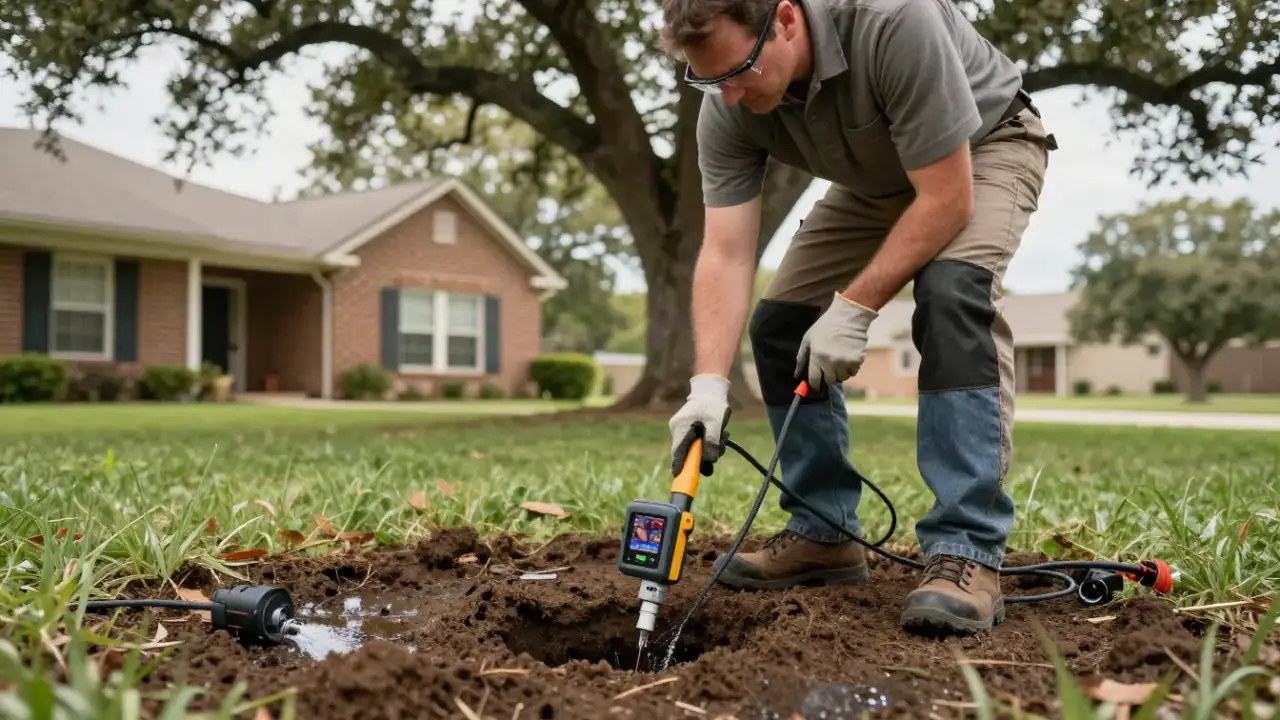
We meter-test with every zone off, then pressure-test each lateral to isolate the leaking zone. Acoustic equipment pinpoints the break, and we rebuild the failed section with new PVC pipe and fittings. The zone holds pressure, the soft spot dries out, and your next bill drops back to normal usage.
Freeze damage usually hits the valve, the backflow assembly, or a shallow lateral. We test the solenoid and wiring, check the assembly, and pressure-test the lateral to find the split pipe. The zone runs again, the assembly passes code, and we show you how to drain the system before the next freeze.
We run a full diagnostic, document every failed component with photos, and complete the repairs before closing. You get a written record of what was replaced and the warranty on the work. The system passes re-inspection, the closing stays on schedule, and the buyer has documentation for their file.
We locate the break with acoustic and tracer equipment, then use trenchless repair equipment to fix the line without tearing out the concrete walkway. Water stops surfacing, the sidewalk stays intact, and the repair is documented for the HOA and its insurer.
Spring's climate drives most of the sprinkler failures we see. Summer heat pushes systems to run daily, which stresses fittings and valves. Then the first freeze in December or January splits backflow assemblies and shallow laterals that were never drained. The soil here is expansive clay that swells after a storm and shrinks hard in drought, shifting several inches and shearing lateral lines at the fittings. Homes built in the 1980s and 1990s around Old Town Spring and Timberlane often have original poly laterals that are now brittle. Newer builds in Creekside Park and Auburn Lakes use PVC and PEX, which fail differently, usually at the valve box or a poorly seated fitting. If you need sprinkler system leak repair Spring TX 24/7 after a mainline blowout, we run emergency calls including weekends. Every repair follows International Plumbing Code and Uniform Plumbing Code standards, and we test the backflow assembly after any mainline work because it is a cross-connection device, not a sprinkler part.
Older homes with original poly laterals that become brittle and shear at the fittings after years of clay soil movement.
Larger lots with long lateral runs, so a single break can drop pressure across an entire zone and waste water fast.
Newer PVC and PEX systems where failures usually show up at the valve box, the backflow assembly, or a poorly seated fitting.
Heavy clay soil that swells after storms and shifts lateral lines, a common cause of cracked pipe at the zone tees.
The movement shears lateral lines and cracks pipe at the fittings. We expect to find at least one shifted or cracked fitting on most older Spring systems.
Backflow assemblies and shallow laterals split when water freezes inside them. We see a spike in emergency calls the week after any hard freeze.
Constant pressurization wears valves and fittings faster, so leaks surface in August and September when the system is working hardest.
Poly, PVC, and PEX all fail differently. We match the repair material to the existing line so the fix lasts.
A homeowner's zone three would not hold pressure and the water bill climbed $85 over two months. The yard had a soft spot near the valve box but no visible spray. We isolated the zone and located a sheared fitting about 14 inches from the box.
We rebuilt the section with Schedule 40 PVC pipe and new fittings, pressure-tested the zone through a full cycle, and backfilled. The zone now holds pressure and the next bill dropped back to normal usage.
Maintenance: Keep the controller on a seasonal schedule and walk the zones once a month. A soft spot after a storm is the earliest sign of a shifted lateral.
After a January freeze, the backflow assembly sprayed water against the house every time the system ran. The assembly had split at the bonnet and was failing its annual test. The homeowner had shut the system off entirely.
We replaced the assembly with a certified unit, re-tested it to code, and reset the controller. The system ran through all six zones the same afternoon with no spray and a passing backflow test.
Maintenance: Drain the backflow assembly and the shallow laterals before the first freeze each year. It takes ten minutes and prevents the most common winter repair we see.
Water was surfacing in the street from an HOA common area. The mainline ran under a concrete driveway, and the property manager expected a tear-out. We located the break with acoustic equipment and confirmed the line path with a pipe locator.
We used trenchless repair equipment to fix the mainline without removing the driveway. Water stopped surfacing, the concrete stayed intact, and the repair was documented for the HOA's insurance file.
Maintenance: Mark the mainline path on the HOA site plan and check the meter monthly with all zones off. Early detection keeps a mainline break from undermining pavement.
Most sprinkler calls come down to four failures. We see them every week on Spring's clay soil, and each one has a different repair.
The zone runs but heads barely pop, so half the yard dries out while the meter keeps spinning and the water bill climbs. We isolate the zone, pressure-test the lateral, and locate the break with acoustic equipment. Most are sheared fittings or cracked PVC at a tee. We rebuild the section with Schedule 40 pipe and re-test the zone before backfill.
Constant wet soil on Spring's expansive clay softens the foundation bed and can migrate under the slab over time. A wet spot with the system off usually means a mainline break or a valve that never fully closes. We meter-test with all zones off, then locate and repair the mainline or rebuild the valve.
A buried lateral can leak for months without surfacing, wasting thousands of gallons and pushing the bill up $60 to $200 a month. We run a full system audit: meter test, zone-by-zone pressure check, and electronic leak detection on each lateral. If the loss is on the domestic service line instead, we diagnose that too.
A failed assembly is a code violation and a cross-connection risk, and it can spray water against the house every cycle. We test the assembly, replace it if it fails, and re-certify it. Our techs hold Backflow Prevention Assembly Tester certification, so the repair meets code on the first visit.
$180 - $1,200 depending on scope
Typical 2026 pricing for irrigation and sprinkler leak repair in Spring runs $180 to $450 for a lateral line or valve repair, and $700 to $1,200 for a mainline break under concrete. The diagnostic is the same either way: we isolate the zone, locate the break, and quote the repair before we dig. If the problem turns out to be a domestic line instead of the irrigation system, we tell you and quote that separately. No surprise line items, no charge for the estimate.
A leaking zone can waste thousands of gallons a month and soften the soil around your foundation. Fixing the line costs a fraction of what foundation repair or a full system replacement runs, and our repairs carry a written warranty.
Laterals buried 12 to 18 inches are quick to access. Lines under a driveway, patio, or sidewalk need trenchless equipment or concrete work, which raises the cost.
PVC repairs are straightforward. Poly and PEX need matching fittings and different techniques, and brittle older pipe may require a longer cut-out to reach sound material.
A single zone lateral repair is the most common and least expensive call. Mainline breaks affect the whole system and often sit under hardscape, which adds time and equipment.
Replacing a valve or a certified backflow assembly adds parts and testing time. Backflow work includes re-certification, which is required by code after replacement.
Clay soil movement often causes more than one break. We quote each additional repair at a reduced rate because the equipment and crew are already on site.
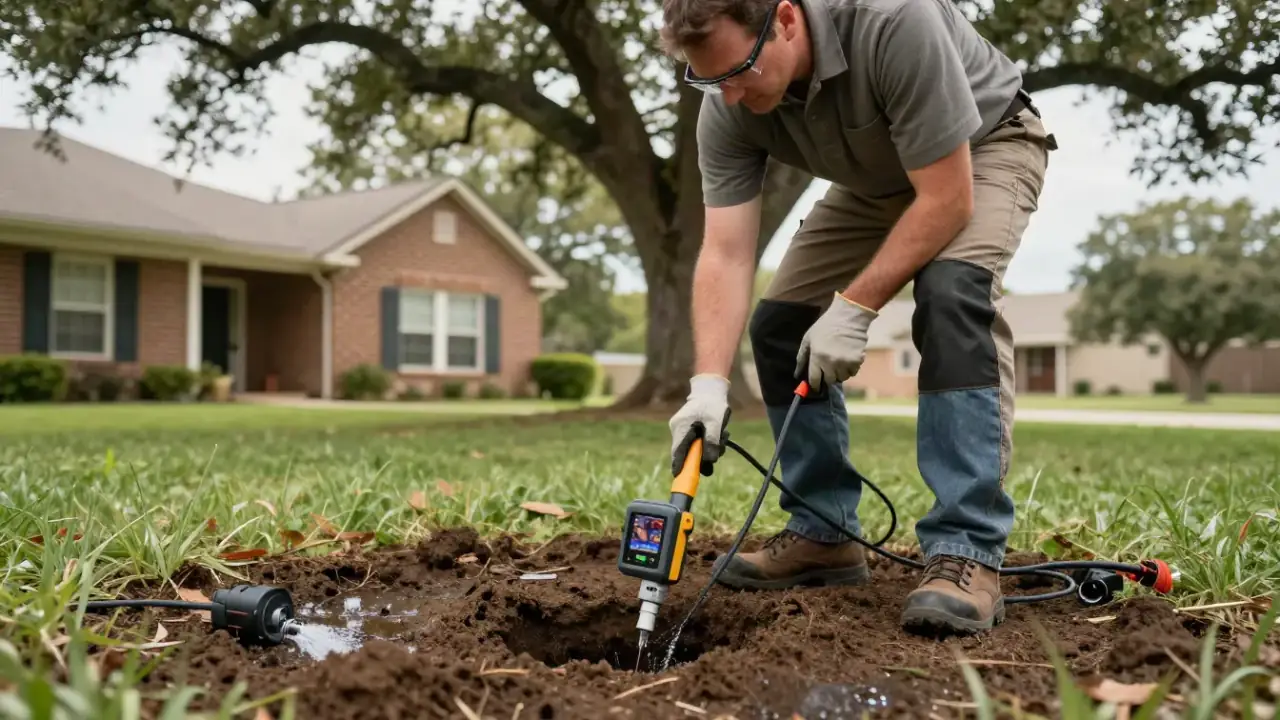
Our technicians are state-licensed plumbing professionals who work irrigation and sprinkler lines every week in Harris County. We carry TSBPE licensing, and our field leads hold Master Plumber credentials with Backflow Prevention Assembly Tester certification. That matters because a sprinkler main ties into your domestic water service, and backflow protection is code, not optional. We work to International Plumbing Code and Uniform Plumbing Code standards on every tie-in and repair, and we use RIDGID and General Pipe Cleaners equipment for line inspection. When a sprinkler leak turns out to be a water service line problem, we can follow it without handing you off to another company.
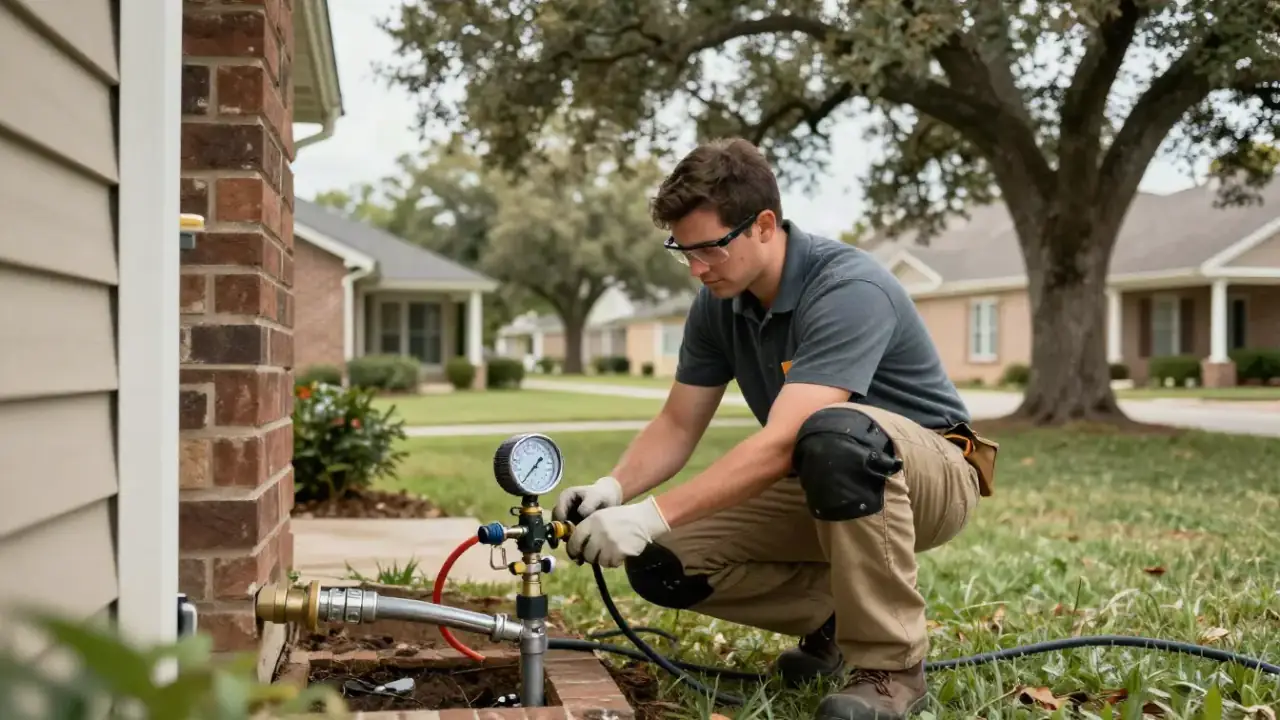
One zone stopped popping and the water bill went up almost $90. They pressure-tested each zone, found a sheared lateral about a foot from a valve box, and had it rebuilt in under two hours. The zone holds pressure now and the yard is dry. No digging up half the lawn.
After the February freeze our backflow assembly was spraying every time the system ran. They replaced the assembly, re-tested it, and reset the controller schedule. Clean work, fair price, and they explained what froze and how to drain it next time.
We manage several properties and had a mainline break under a driveway. They located it with acoustic equipment, used trenchless repair equipment to avoid tearing out concrete, and had water back on the same day. Documentation was clean enough for our insurance file.
Most residential sprinkler leak repairs in Spring run $180 to $450 in 2026, depending on depth, pipe material, and whether the break is in a lateral line or the mainline. Valve replacements and backflow repairs sit at the higher end. Mainline breaks under concrete can reach $700 to $1,200 because of access and restoration. We quote the repair before we start digging.
The three most common causes in Spring are clay soil movement shearing lateral lines, freeze damage to valves and backflow assemblies, and cracked PVC fittings at the zone tees. Expansive clay shifts several inches between wet and dry seasons, and that stress cracks pipe and pulls fittings apart. A pressure test tells us which one you have in under 30 minutes.
Yes. Most systems only need the failed section replaced. We cut out the broken pipe or valve, rebuild it with Schedule 40 PVC pipe and new fittings, and pressure-test the zone. Full replacement only makes sense when the pipe is brittle throughout or the system is undersized. We tell you honestly which one you are looking at.
Spring Leak Detection repairs irrigation and sprinkler leaks across Spring and Harris County, including Old Town Spring, Gleannloch Farms, Champion Forest, and The Woodlands. We are a licensed plumbing contractor, so we can also handle the water service line tie-in and backflow testing that a lawn company cannot. Call (281) 248-8538 for same-day scheduling.
Not seeing your question? Our local team can help you understand urgency, scheduling and what to expect.
Ask the local team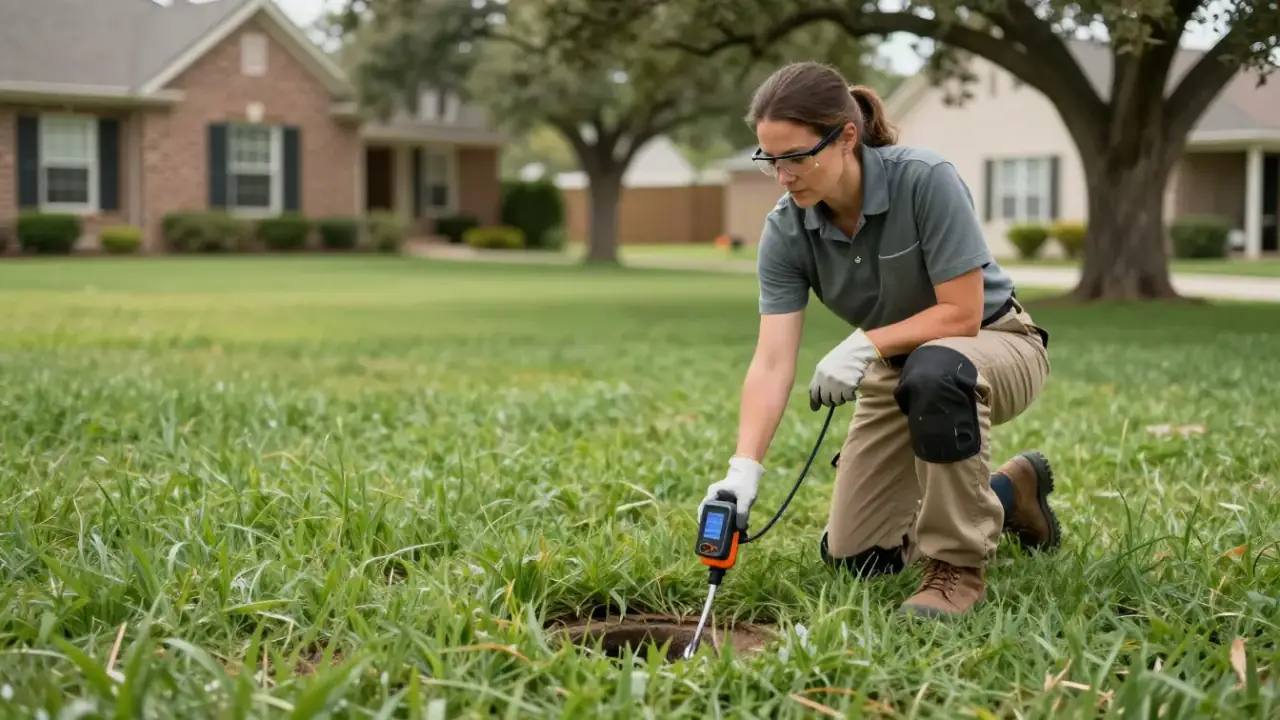
When irrigation water pools against the foundation, it can migrate under the slab. We pressure-test the sprinkler system first, then check the slab so you are not paying to fix the wrong line.
View service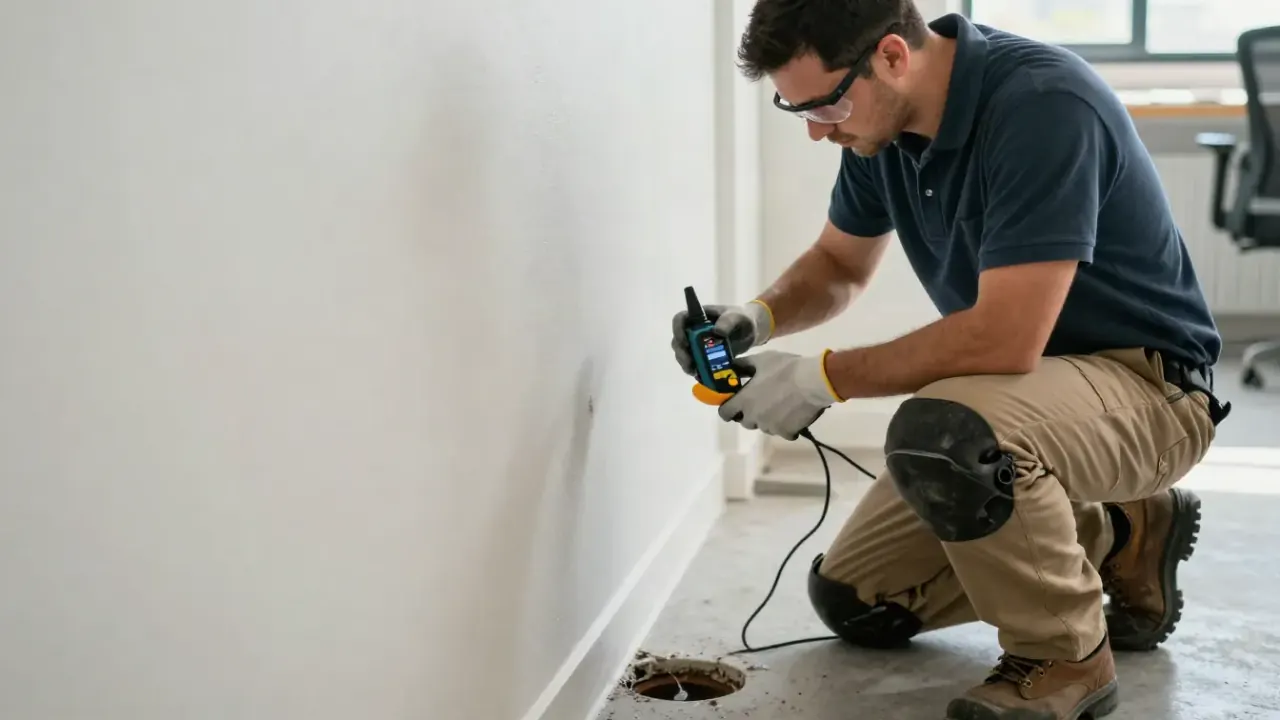
A sprinkler leak and a hidden pipe leak look the same on your bill. We isolate the irrigation system from the domestic line and meter-test each one to find where the water is actually going.
View service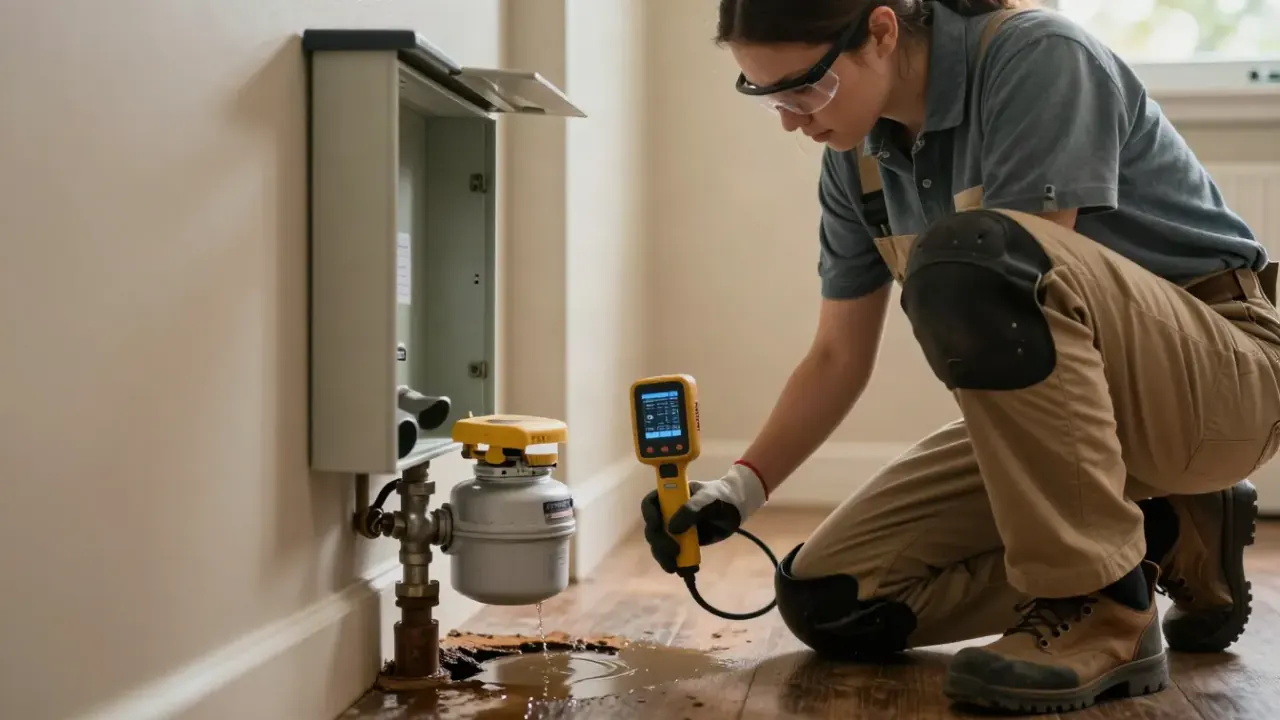
If the meter spins with every zone off, the leak may be on the service line, not the sprinkler. We diagnose both sides of the meter so the repair targets the right pipe.
View serviceSprinkler mainlines often tie in near the water service line. When a break sits at that junction, we repair the service line and the irrigation tie-in together in one visit.
View service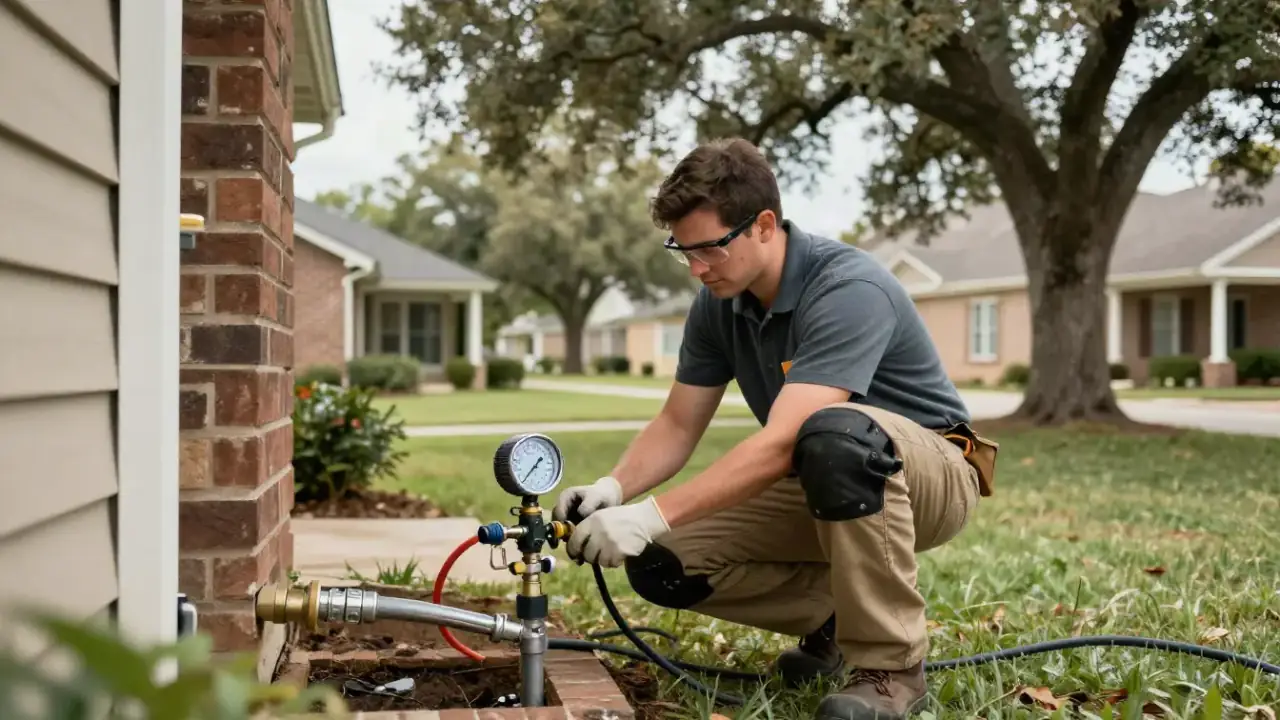
Call (281) 248-8538 and we will get a licensed tech scheduled, usually the same day. We answer the phone 24/7 for active leaks, and we cover Spring, Harris County, and the surrounding communities. Tell us what you are seeing and we will bring the right gear.