Focused arrival windows
Useful updates and clear arrival timing.
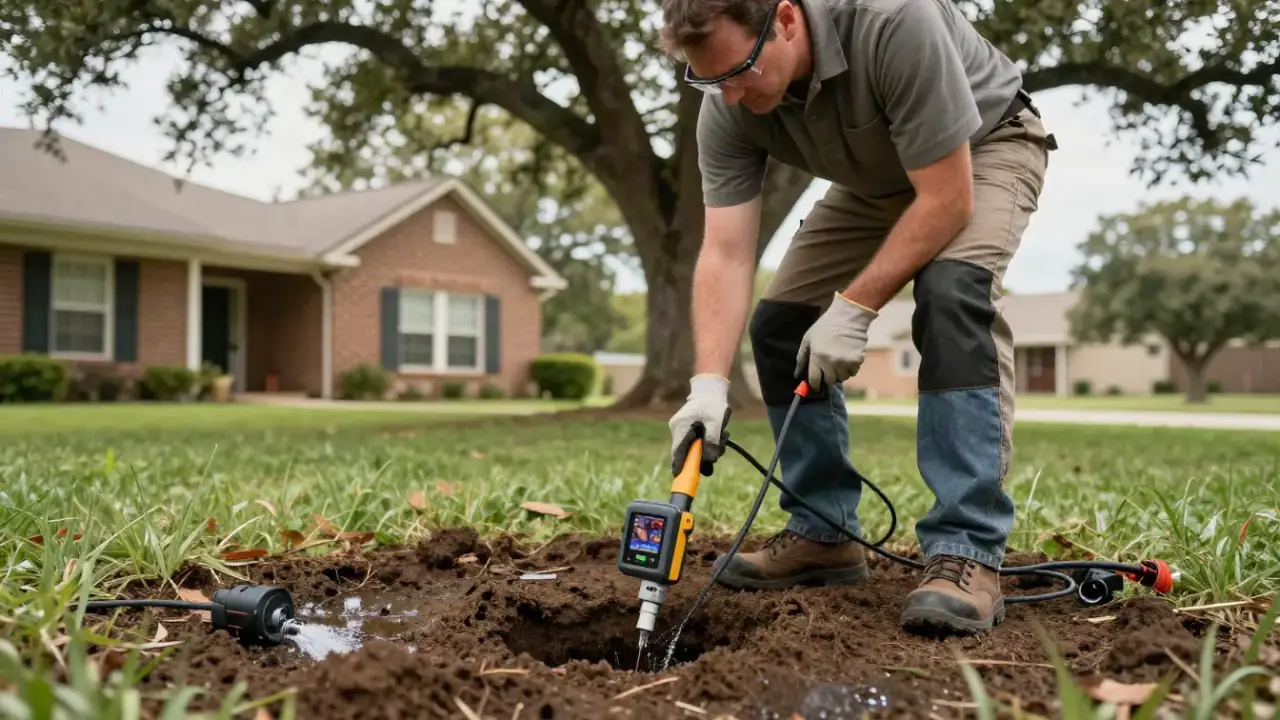
Under-House Leak Repair Spring TX starts with finding the exact source of the water before we cut anything. Our licensed technicians use thermal imaging cameras and acoustic leak detection equipment to pinpoint crawl space leaks under your home, then repair the pipe with minimal digging. If your water bill jumped or you smell damp soil under the house, call us at (281) 248-8538.
Useful updates and clear arrival timing.
Review the approach and price before deciding.
Equipped vehicles and respectful cleanup.
Neighbors serving neighbors with follow-through.
Every under-house leak repair we do includes detection, repair, testing, and documentation. We do not charge extra for the crawl space access or the pressure test. If the repair requires a permit, we pull it and include the inspection coordination in the price.
We crawl the entire accessible space with a moisture meter and thermal imaging camera, then confirm the source with acoustic listening equipment. You get photos of the wet area and the exact pipe location before we quote the repair.
We cut out the damaged section and replace it with new copper pipe or PEX tubing, using code-correct fittings and solder. All repairs meet International Plumbing Code standards, and we use pipe repair clamps or epoxy pipe lining where appropriate.
After the repair, we pressure-test the line at 80 psi for 15 minutes and re-scan the area with the moisture meter. If it holds, we sign off. If it does not, we keep working until it does, at no extra charge.
We set up commercial dehumidifiers and fans to pull moisture out of the soil and joists, running 24 to 48 hours depending on how wet it got. That stops mold from taking hold and protects the wood framing.
You receive a report with before-and-after moisture readings, repair photos, and a 12-month workmanship warranty. The report documents the repair for insurance or resale, and the warranty transfers if you sell the home.
Share what is happening and receive a clear next step from the local team.
Under-House Leak Repair Spring TX is the process of locating and fixing water leaks in the pipes that run beneath your home's crawl space, between the foundation and the soil. We start by confirming the leak with a moisture meter and thermal imaging camera, then map the pipe run with a pipe locator. Once we know exactly where the water is coming from, we repair the copper pipe, PEX tubing, or PVC pipe with code-compliant fittings and test the line under pressure before closing up.
Spring sits on heavy clay soil that shifts with every wet-dry cycle, and that movement cracks underground pipe and pulls fittings apart. Homes in Gleannloch Farms and Champion Forest with older copper pipe often develop pinhole leaks that drip for months before anyone notices. If you need under house leak detection Spring, Texas, we can usually schedule a visit the same day you call. We also handle crawl space plumbing leak repair Spring TX for newer PEX systems that fail at crimp fittings.
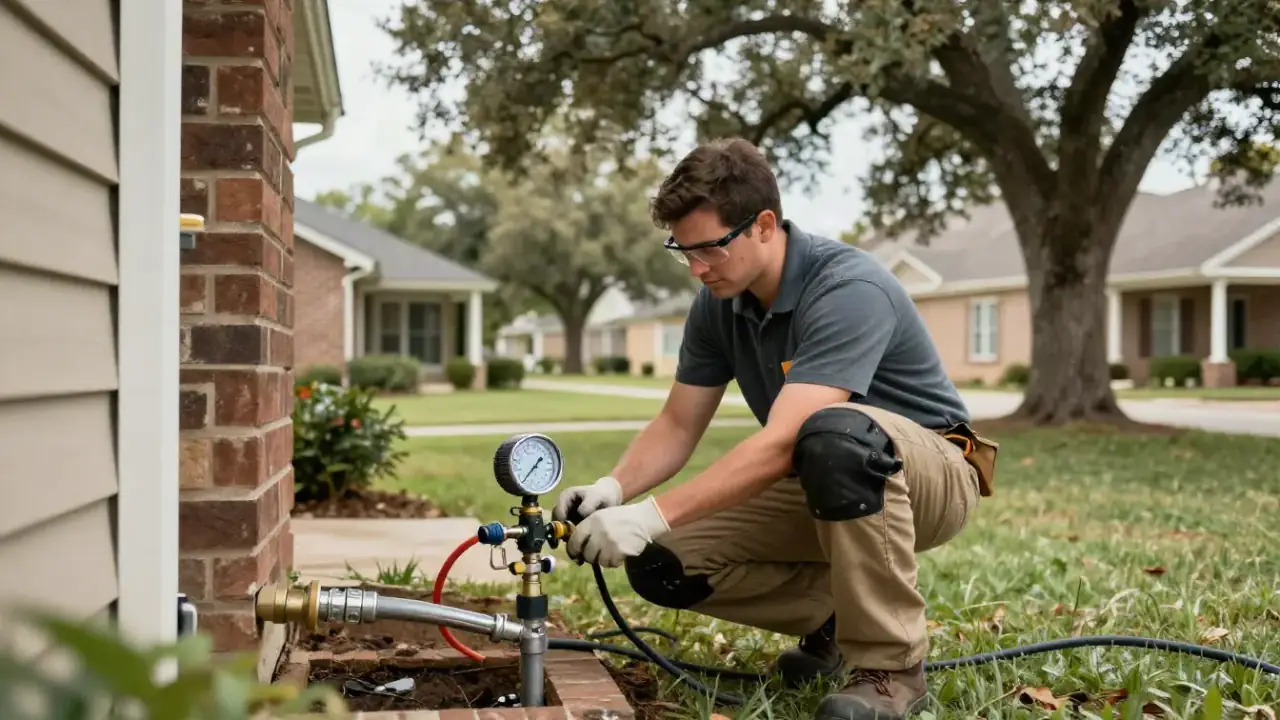
We ask about your water bill, any damp spots, and whether you hear running water when nothing is on. That five-minute call tells us whether to bring acoustic gear or start with a thermal scan. We schedule a two-hour arrival window and text you when the tech is on the way.
The technician crawls the space with a moisture meter and thermal imaging camera, marking wet soil and temperature anomalies. We then run a pipe locator and video pipe inspection camera to see the pipe from the inside. This step takes 45 to 90 minutes and tells us exactly what we are fixing.
We show you photos of the leak, explain whether it is a fitting, a pinhole, or a cracked section, and give you a flat price before any work starts. You approve it, and we get to work. No surprises, no hourly meter running while you decide.
We cut out the damaged section and replace it with new copper pipe or PEX tubing, using code-correct fittings and solder. Then we pressure-test the line at 80 psi for 15 minutes and re-scan the area with the moisture meter. If it holds, we close up and clean the crawl space.
We set up a dehumidifier and fans to pull moisture out of the soil and joists, usually running 24 to 48 hours. You get a written report with before-and-after moisture readings, photos, and a 12-month warranty on the repair. That report is handy if you ever sell the house.
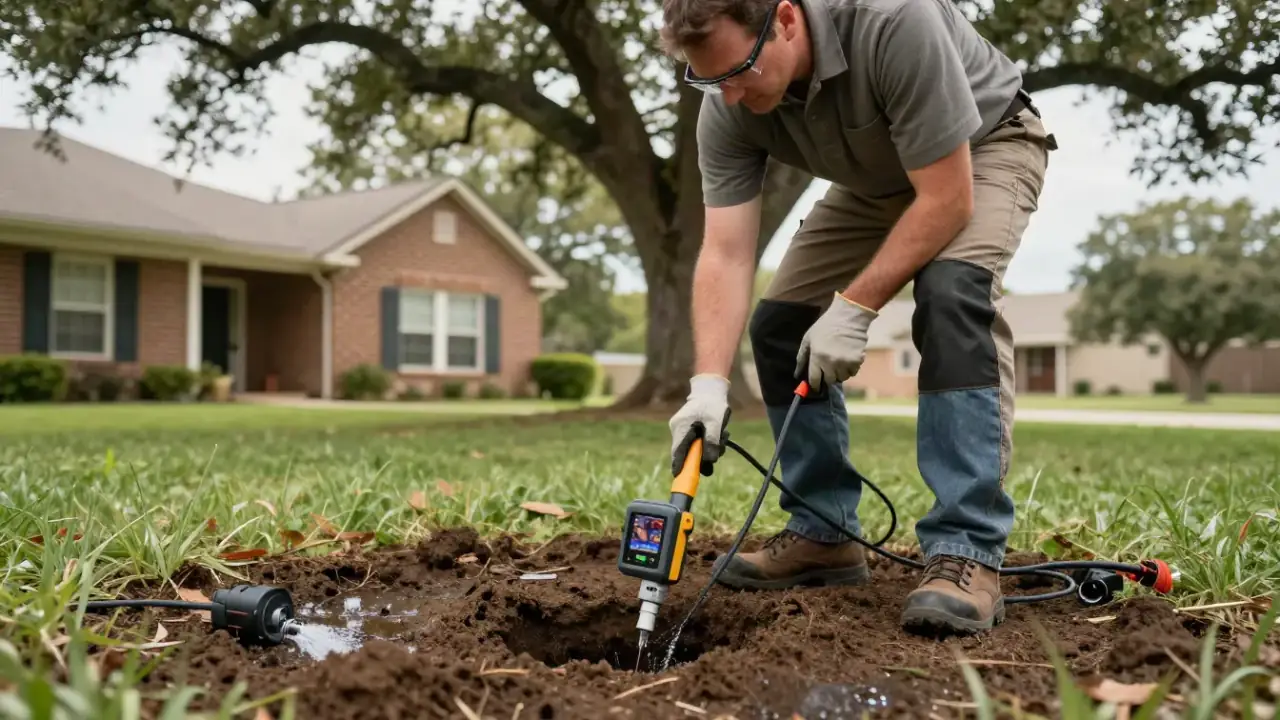
Maps temperature differences on the soil and joists to reveal where water is pooling or a hot-water line is leaking. It lets us see the leak before we dig.
Amplifies the sound of pressurized water escaping a pipe, so we can pinpoint a pinhole leak within inches. Works best in quiet crawl spaces with the house water off.
Goes inside the pipe to show cracks, corrosion, root intrusion, and failed fittings. We record the footage and show it to you before recommending a repair.
Traces the path of buried and under-house pipes so we know exactly where to dig or cut. It keeps access holes small and protects your foundation.
Measures water content in soil and wood framing. We use it before and after the repair to prove the leak is fixed and the dry-out is complete.
Pulls new pipe or a liner through the existing run without excavating the yard. Used when the line qualifies and you want to avoid concrete and landscaping damage.
Pressurizes the repaired line to 80 psi for 15 minutes to confirm it holds. No guesswork, no leaving before we know it is sealed.
With the house water off and the system pressurized, we move a Sewerin listening disc along the pipe run and mark the loudest point. That spot is almost always the leak. It is fast, non-invasive, and accurate on copper and PEX.
A Fluke thermal camera reveals wet soil as a cool patch and hot-water leaks as a warm streak. We sweep the entire crawl space and compare readings to the surrounding dry areas. This method catches leaks that are not yet visible to the eye.
We isolate the under-house run from irrigation, pool, and fixtures, then pressurize it with a testing kit. If pressure drops, the leak is in that section. This method confirms the repair and rules out false positives from other systems.
For eligible lines, we pull an epoxy pipe lining or new PEX tubing through the existing pipe. It creates a new watertight interior without digging. We verify with a camera and pressure test before tying it back in.
Every repair follows International Plumbing Code and Uniform Plumbing Code standards, using approved fittings, solder, and materials. We pull permits when required and coordinate the inspection so you are covered.
We perform a full under house leak detection Spring, Texas, starting at the meter and working inward. Acoustic gear and thermal imaging narrow the loss to the under-house run, and we repair it the same visit. Your next bill drops back to normal, and you have a written report showing the repair and the pressure test results.
We do an emergency under-house leak repair Spring TX call, find the source, and fix it fast. You get documentation with photos and moisture readings to satisfy the buyer and the lender. The deal stays on track, and the repair warranty transfers to the new owner.
We treat it as an emergency, shut off the water, and repair the split copper pipe with new tubing and fittings. Then we dry the space and test the whole line. Water stops running, the crawl space dries out, and you avoid mold and foundation damage.
We inspect the entire under-house plumbing with a video pipe inspection camera, looking for pinholes, cracked fittings, and corroded sections. We repair what is failing and give you a report on the rest. You know exactly what condition your pipes are in and can plan replacements before they fail.
Spring's expansive clay soil is the main reason under-house leaks are so common here. The soil swells when it rains and shrinks in summer drought, flexing buried pipes until fittings crack or copper thins into pinholes. Homes in Old Town Spring and Timberlane often have original copper lines that are 40 to 50 years old. Newer neighborhoods like Creekside Park and Auburn Lakes use PEX, which usually fails at crimp rings or manifolds. We also see a spike in calls after the first hard freeze, when split pipes thaw and leak. If you need under house water leak repair Spring, Texas, we know where to look first. We follow Harris County plumbing permit rules and pull permits for any repair that requires inspection. Our trucks carry copper pipe, PEX tubing, PVC pipe, and CPVC pipe fittings so we can finish most repairs in one visit.
Many homes here have original copper under-house lines that develop pinholes after decades of clay soil movement. We handle these with targeted section replacement.
Larger lots mean longer under-house pipe runs, so leaks can travel further before showing. We use pipe locators to trace the full run before quoting.
A mix of pier-and-beam and slab homes. Pier-and-beam crawl spaces give us direct access, which keeps repair costs lower for homeowners here.
Newer PEX systems are common. Most leaks we find are at crimp fittings or manifolds, and we repair them with new PEX and brass fittings.
Older homes with mature trees. Roots can find their way into cracked under-house pipes, so we always run a video inspection before repairing.
The movement flexes buried pipes and cracks fittings over time. It is the number one cause of under-house leaks we see in Spring, and it is why pressure testing matters after every repair.
A freeze can split copper pipe in an unheated crawl space. We see a rush of emergency calls after the first freeze each year, and we keep repair parts stocked for it.
Saturated soil makes leaks harder to detect because everything looks wet. We rely on acoustic and thermal tools rather than visual inspection during these months.
Copper thins from the inside and develops pinholes. Homes over 30 years old in Spring should have their under-house lines inspected every few years.
A homeowner in Timberlane noticed a $380 water bill and damp soil near the crawl space access. The copper line had a pinhole leak that had been running for weeks, soaking the soil and starting surface mold on a joist.
We cut out the pinhole section and replaced 4 feet of copper pipe with new tubing and fittings. Pressure test held at 80 psi. After 36 hours of dehumidification, moisture readings returned to normal and the next water bill was $72.
Maintenance: We recommended an annual crawl space moisture check and keeping the soil around the foundation from staying saturated. The 12-month warranty covers the repair.
A family in Creekside Park heard water running when all fixtures were off. The PEX manifold under the house had a cracked crimp fitting spraying water onto the subfloor, and the hardwood above was starting to cup.
We replaced the failed fitting and a 3-foot section of PEX tubing, then pressure-tested the line. The floor dried out over four days, and the cupping stopped spreading. Repair cost was $420, far less than floor replacement.
Maintenance: We suggested checking the manifold connections every couple of years and keeping the crawl space ventilated to reduce condensation.
A homeowner in Gleannloch Farms called after a hard freeze. A copper pipe under the house had split and was dumping water into the crawl space. The soil was saturated and water was starting to wick up the foundation.
We shut off the water, replaced the split section with new copper, and pressure-tested the entire run. A dehumidifier ran for 48 hours. Moisture readings dropped from 28% to 11%, and no foundation movement was detected.
Maintenance: We recommended insulating the under-house pipes and dripping faucets during freezes. The repair is warrantied for 12 months.
Most under-house leaks show up as one of a few symptoms. Here are the ones we see every week in Spring, and what happens if you let them run.
You are paying for water that is soaking into the soil under your house, softening the clay and raising the risk of foundation movement. We isolate the house line from irrigation and pool, then use acoustic leak detection equipment to find the loss. Most of these turn out to be under-house pipe leaks we can repair the same day.
Constant moisture breeds mold on joists and subfloor, which can spread into living areas and trigger allergies or respiratory issues. We find the leak with thermal imaging, repair the pipe, and run commercial dehumidifiers until moisture readings return to normal. You get a written report showing the dry-out.
That noise means water is moving through a broken line right now, eroding soil and potentially undermining a footing or slab edge. We trace the sound with a Sewerin listening disc and pipe locator, then expose and repair the break. Pressure testing confirms the line holds before we leave.
A hot-water line leak under the house can warp hardwood, loosen tile, and create a slip hazard or mold farm in the subfloor. We use thermal imaging to map the warm zone, confirm it is a hot-water pipe, and repair or reroute the line. The floor dries out and the warping stops getting worse.
$350 - $1,800 depending on scope
Typical 2026 pricing for under-house leak repair in Spring runs $350 to $1,800. The low end covers a simple fitting or short section replacement with easy crawl access. The high end covers long copper runs, difficult access, or trenchless lining. We give you a flat price after detection, before any repair starts. That price includes the leak detection scan, the repair, the pressure test, the dry-out equipment, and the written report. No hourly billing, no surprise add-ons.
You are paying for precision detection and a permanent repair, not guesswork. The flat price covers everything from the scan to the warranty, and it is almost always less than the water damage and foundation repairs a hidden leak would cause.
A clean crawl space with a wide access hatch keeps the job simple. If we have to move ductwork, insulation, or debris to reach the pipe, labor goes up. We tell you before we start.
Copper pipe repairs cost more than PEX because the material is pricier and the soldering takes skill. PVC pipe and CPVC pipe repairs fall in the middle. We stock all common materials on the truck.
A leak near the access point is quick. A leak under a footing or at the far end of a long run takes more time and may need trenchless equipment. Detection tells us which one you have.
Older homes sometimes have more than one pinhole. We quote each additional repair at a reduced rate because we are already on site. Fixing them together saves you a second service call.
A small damp area needs a single dehumidifier for 24 hours. A fully saturated crawl space may need multiple units for 48 hours. We include standard dry-out in the price.
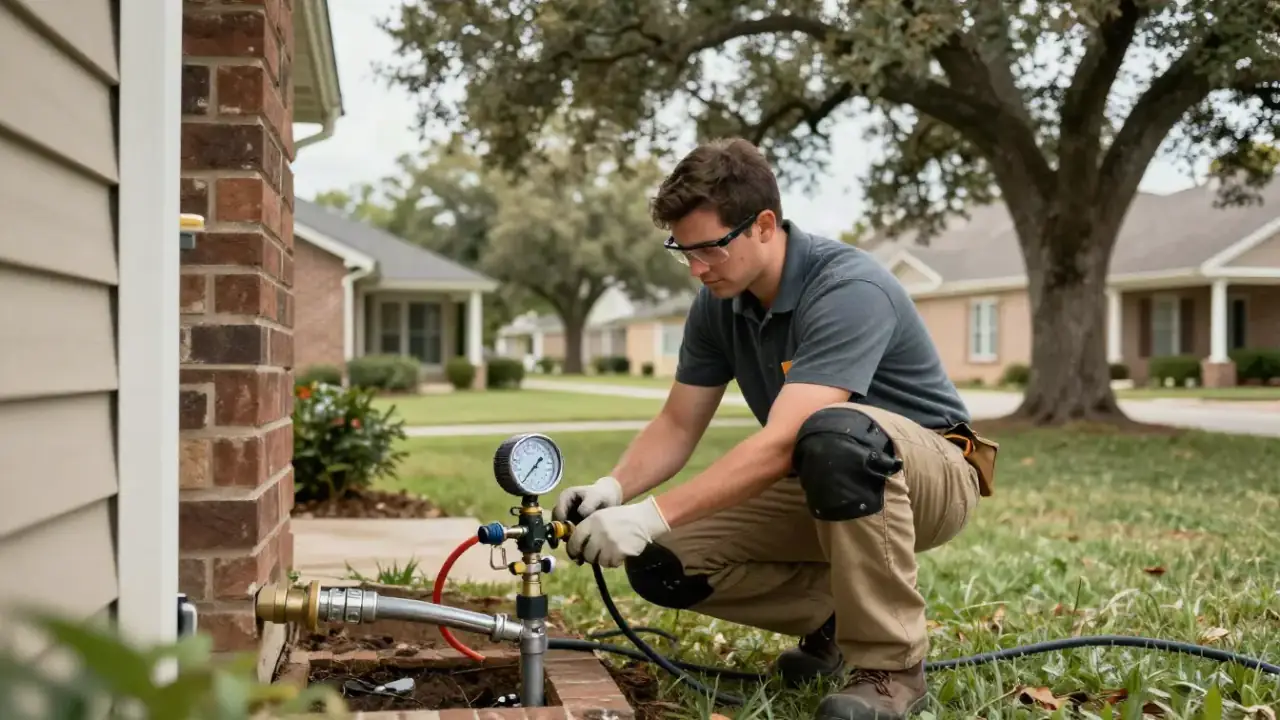
Our technicians hold Texas State Board of Plumbing Examiners (TSBPE) licenses and work under a Master Plumber License. We train on RIDGID and General Pipe Cleaners inspection cameras, Fluke thermal imagers, and Sewerin acoustic listening discs. Every repair follows International Plumbing Code (IPC) and Uniform Plumbing Code (UPC) standards, and we pull permits when the job requires it. We have crawled thousands of Spring-area homes, from 1960s pier-and-beam houses in Old Town Spring to new builds in Creekside Park, and we know where these pipes fail.
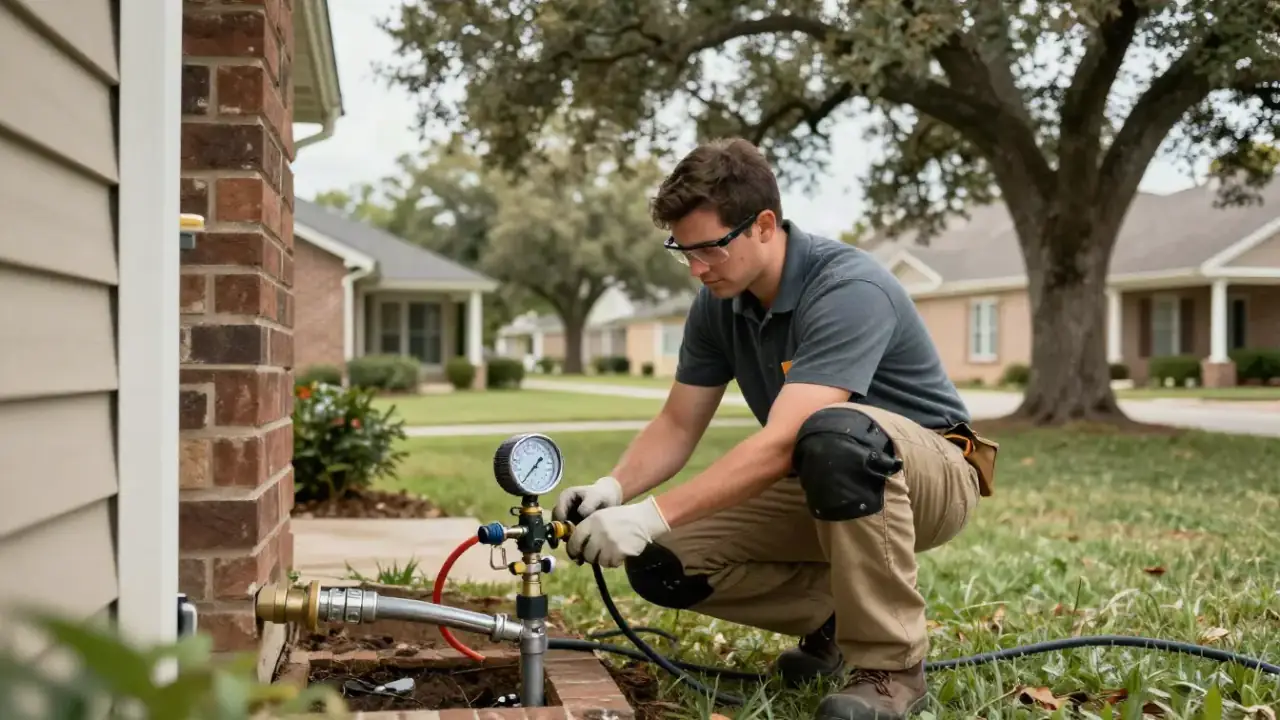
Our water bill doubled in one month and we had no idea why. The tech crawled under the house with a thermal camera and found a pinhole leak in the copper pipe within 20 minutes. He showed me the image, quoted a flat price, and had it repaired the same afternoon. The next bill was back to normal.
I had two other plumbers tell me they needed to tunnel through the foundation. Spring Leak Detection used a camera and a pipe locator, found the break at a fitting, and fixed it through the existing crawl access. Saved me thousands and my yard is still intact.
We smelled damp soil under the house for weeks. They came out on a Saturday, found a cracked PEX fitting, and repaired it with new tubing. They also set up a dehumidifier and gave us a moisture report. Professional, clean, and they explained everything.
Most under-house leak repairs in Spring run $350 to $1,800 in 2026, depending on access and pipe material. A simple fitting replacement with easy crawl access sits at the low end. A buried line under a slab edge or a long copper run pushes toward the top. The price includes detection, repair, pressure test, and written report.
The two biggest causes here are clay soil movement and aging pipe. Spring's expansive clay shifts as it soaks and dries, flexing underground lines until fittings crack or copper pipe develops pinholes. Older homes in Old Town Spring and Timberlane often have original copper that has thinned over decades. Newer PEX systems usually fail at crimp rings or manifolds.
Yes, in many cases. If the leak is in an accessible crawl space pipe run, we repair it directly without any tunneling. For lines that pass under a slab or footing, we use trenchless repair equipment to pull a new liner or pipe through the existing run. We confirm whether your line qualifies during the detection visit.
You need a licensed plumbing contractor with confined-space training and leak detection gear. Spring Leak Detection handles crawl space leak detection Spring, Texas, and full repairs under one roof. We are TSBPE-licensed, insured, and carry RIDGID inspection cameras and Fluke thermal imagers on every truck. Call (281) 248-8538 to schedule.
Not seeing your question? Our local team can help you understand urgency, scheduling and what to expect.
Ask the local team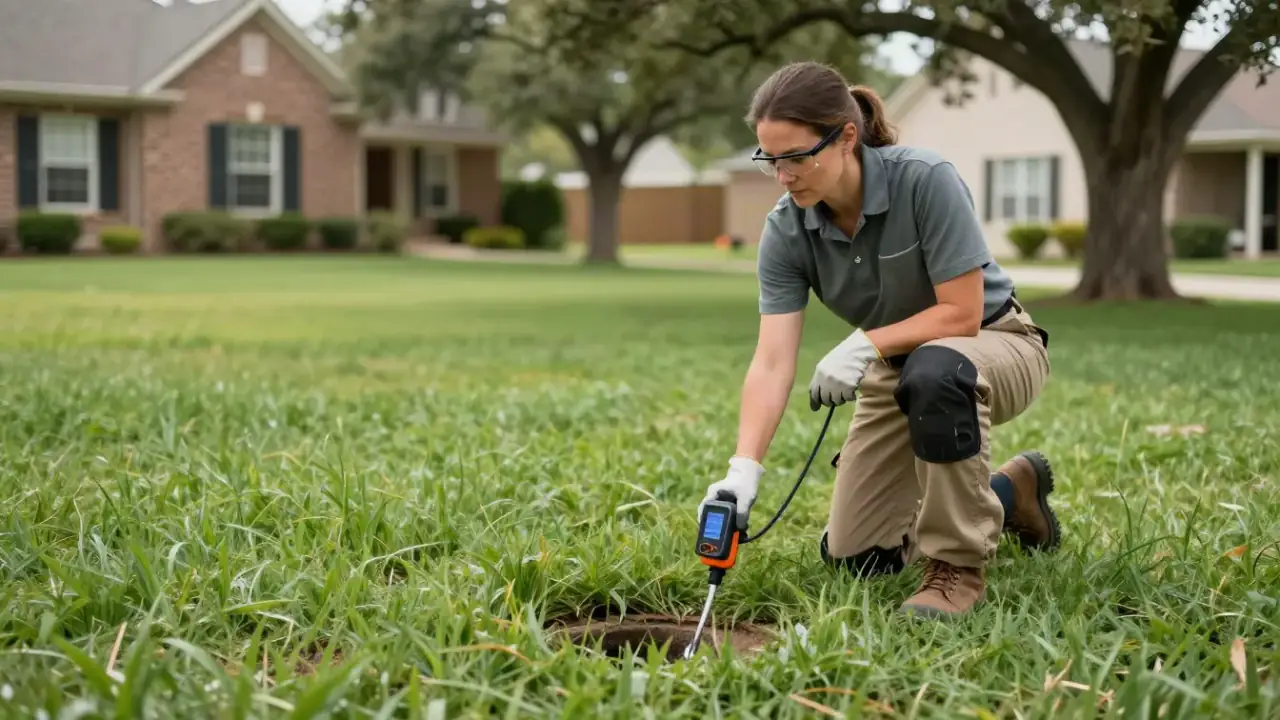
When an under-house leak has spread under the slab, we use acoustic listening and thermal imaging to find it without breaking concrete. We then repair the line through the slab or reroute it overhead. Catching it early keeps the repair small.
View service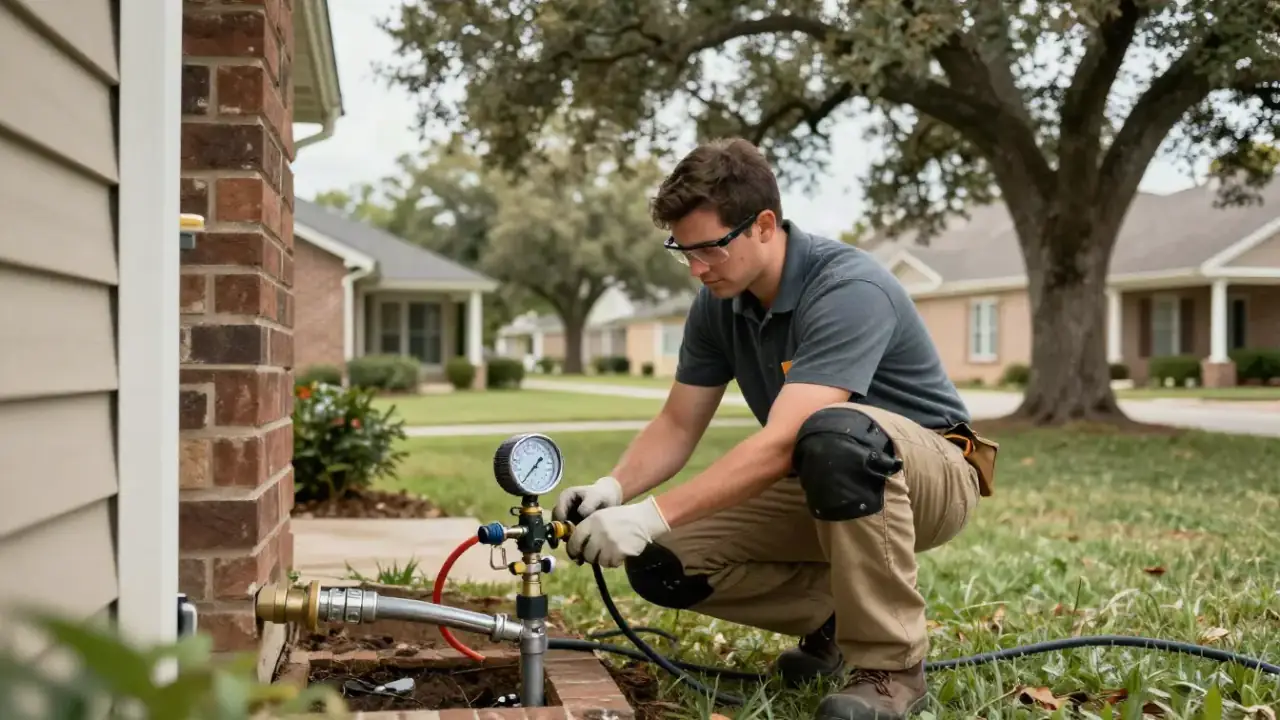
A sudden spike in your water bill is often the first sign of an under-house leak. We isolate the irrigation, pool, and house lines with pressure testing to confirm whether the loss is inside or outside. You get a clear answer and a repair plan the same day.
View service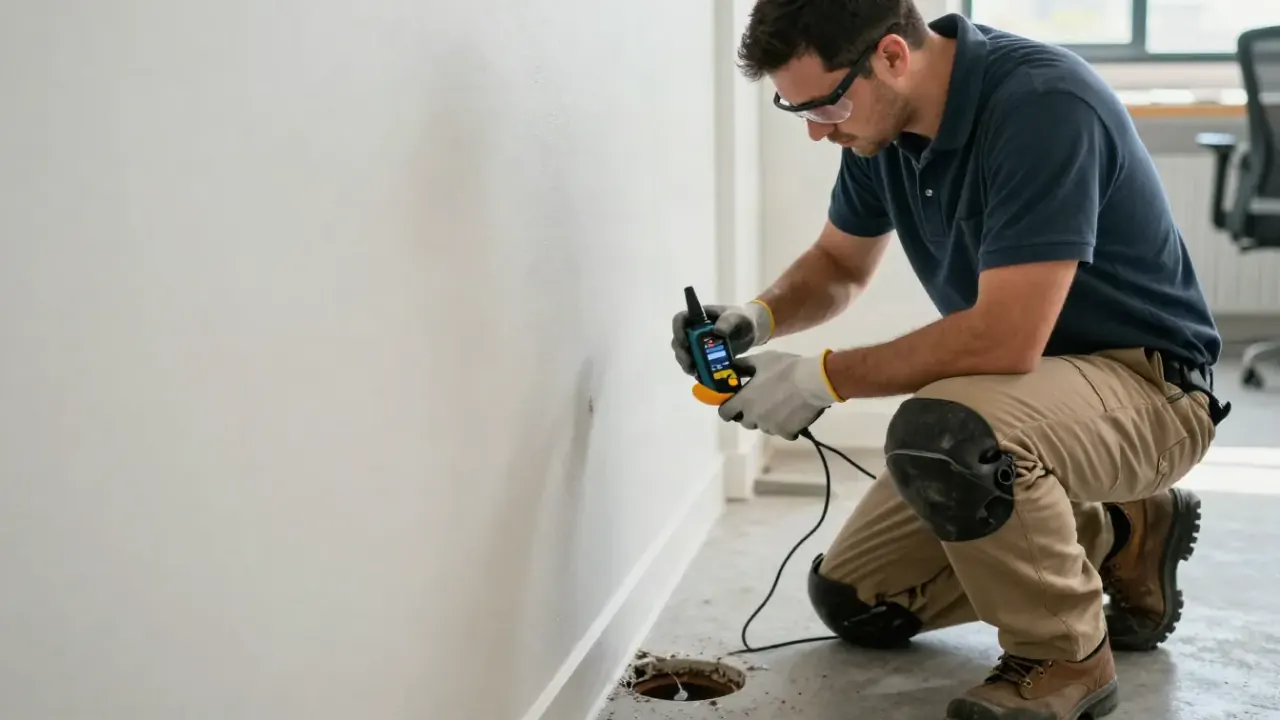
If your meter spins with everything off, water is escaping somewhere. We use the meter as a starting point, then narrow it down with acoustic gear and pipe locators. Many of these turn out to be under-house or service line leaks we can fix immediately.
View serviceThe line from the meter to your house runs through the same clay soil that causes under-house leaks. We locate and repair service line leaks with trenchless methods when possible, then pressure-test the whole run before backfilling.
View service
Call (281) 248-8538 and we will get a licensed tech scheduled, usually the same day. We answer the phone 24/7 for active leaks, and we cover Spring, Harris County, and the surrounding communities. Tell us what you are seeing and we will bring the right gear.