Focused arrival windows
Useful updates and clear arrival timing.
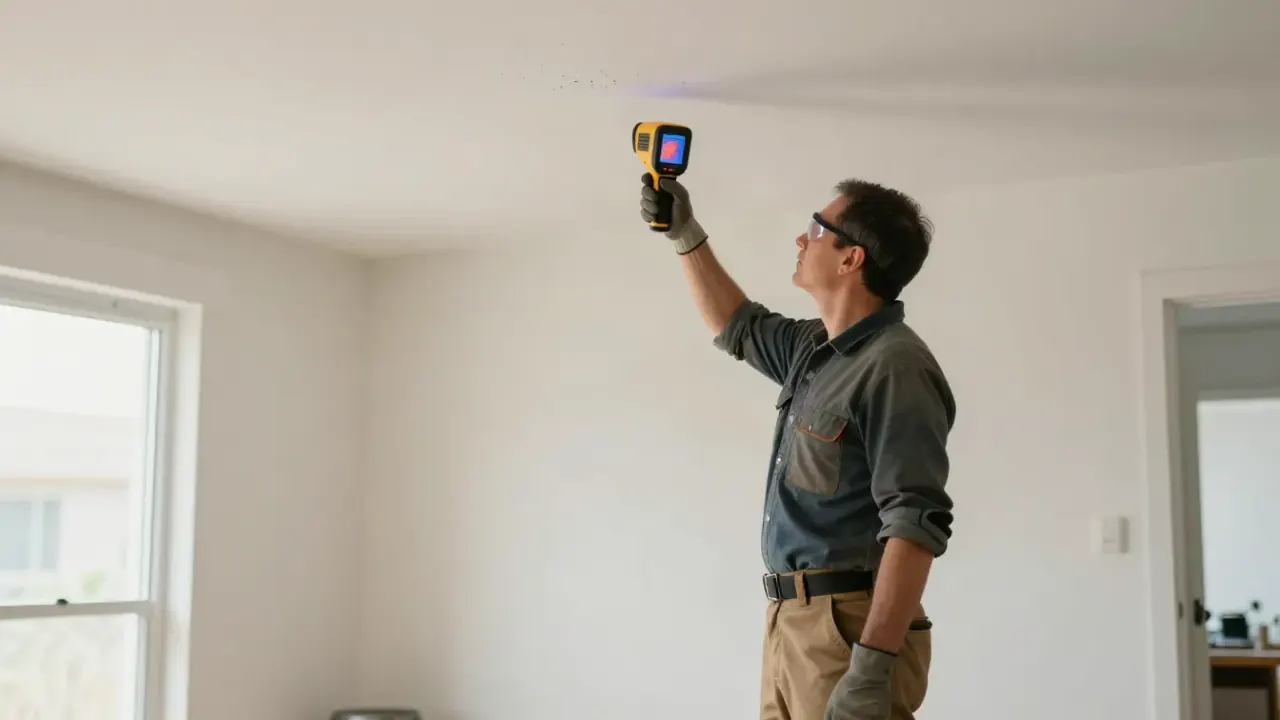
Slab Leak Repair Spring TX homeowners can count on starts with finding the exact leak, not guessing. We use acoustic listening gear and thermal imaging to pinpoint the break under your foundation, then repair it with minimal concrete cutting. If your water bill jumped, your floors feel warm, or you hear water running when nothing is on, call us. We serve Harris County and Greater Spring with same-day diagnosis and honest, upfront pricing.
Useful updates and clear arrival timing.
Review the approach and price before deciding.
Equipped vehicles and respectful cleanup.
Neighbors serving neighbors with follow-through.
Every slab leak job starts with detection and ends with a pressure test. Here is what is covered in a standard repair. If your situation needs a reroute or a foundation engineer, we tell you upfront and price it separately before any work begins.
Pressure isolation, acoustic listening, and thermal imaging to confirm the leak location. This is the step that keeps us from cutting in the wrong place. You get the findings explained in plain language before we open the slab.
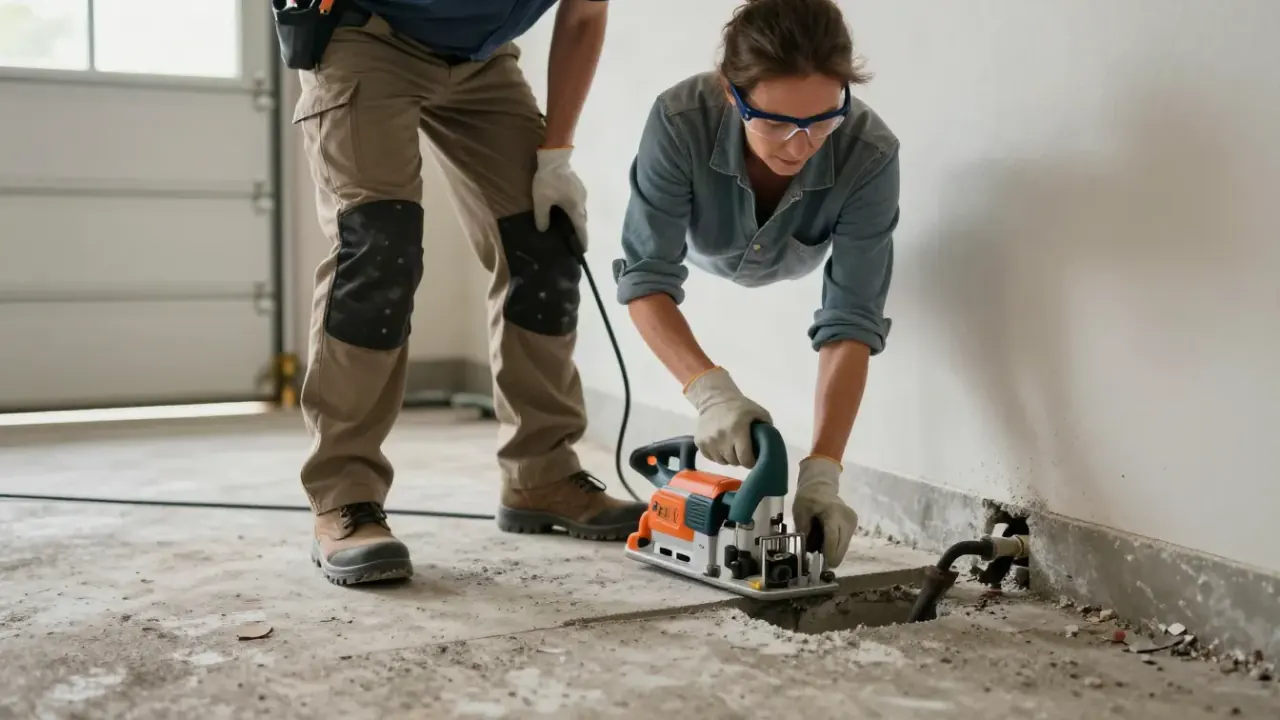
We cut and remove the minimum concrete needed to reach the failed pipe, typically a 12-by-12-inch opening. We protect your flooring and contain the dust. No trenching across the room unless the pipe run forces it.
The failed section is replaced with new copper, PEX, or CPVC matched to your system, using fittings rated for under-slab service. We do not patch with epoxy or clamps on a pressurized line unless the situation genuinely allows it.
The repaired line is pressure tested at working pressure for at least 30 minutes. We photograph the repair before backfill so you have a record. If it does not hold, we keep working until it does.
We backfill, compact, and patch the concrete to a level surface. The work area is cleaned and hauled off. You get a walkthrough of what was done and guidance on watching the meter for the next few days.
Share what is happening and receive a clear next step from the local team.
Slab Leak Repair Spring TX is the process of locating a pressurized water line leak beneath your concrete foundation, exposing the failed section, and restoring the pipe so your home stops losing water. Most Spring homes sit on post-tension or conventional slab-on-grade foundations with copper or PEX supply lines running underneath. When one of those lines pinholes or cracks, water migrates through the soil and up into your flooring. We isolate the line with pressure testing, confirm the location with acoustic and thermal tools, then open a small access point and make the repair.
Spring sits on expansive clay soil that swells when it rains and shrinks hard in summer drought. That constant movement stresses underground pipes until fittings loosen and copper fatigues. Add the area's older 1970s and 1980s subdivisions alongside newer builds, and we see everything from failing copper to shifting PVC drains. If you are searching for affordable slab leak repair in Spring TX, the smartest money you spend is on accurate detection first. Guesswork means cutting concrete in the wrong place, and that gets expensive fast.
Call (281) 248-8538 and describe what you are seeing: a hot spot on the floor, a spinning water meter, a spike in the bill. We ask a few targeted questions, give you a ballpark range, and schedule a same-day or next-day visit. If water is actively flooding, we treat it as emergency slab leak repair Spring TX and move you to the front of the line.
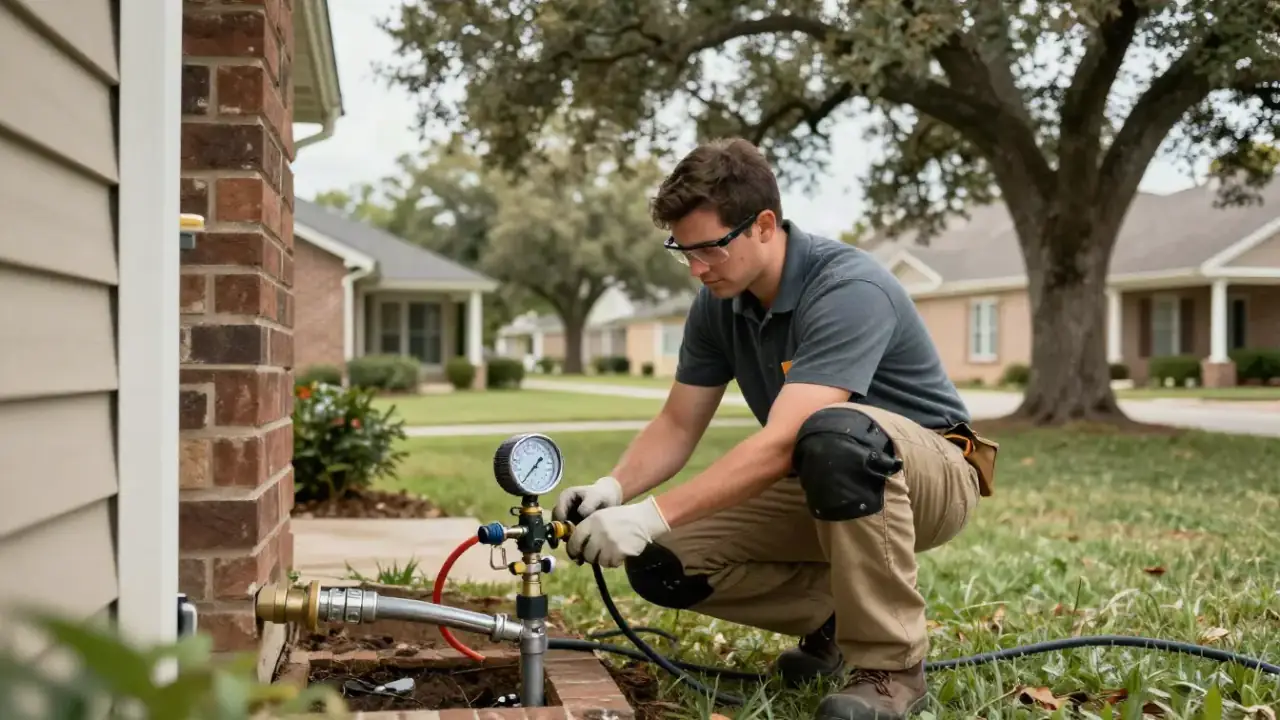
We start by isolating the system. A pressure testing kit tells us whether the leak is on the hot side, cold side, or a drain line. Then we walk the slab with acoustic leak detection equipment and a thermal imaging camera to hear and see the break. This takes 45 to 90 minutes and tells us exactly where to cut.
We open a small access point in the slab, expose the failed pipe, and repair or reroute it. Copper gets a new section soldered in or a coupling rated for under-slab use. PEX gets a fresh run. Most repairs take two to five hours once we are into the slab.
Before anything gets covered, we pressure test the repaired line at working pressure for at least 30 minutes. If it holds, we backfill, patch the concrete, and clean up. You get photos of the repair before the patch goes down so you have a record of what was done.
We walk you through what we found, show you the test results, and explain the warranty on the repair. You also get guidance on watching your water meter for a few days to confirm the leak is gone. If anything looks off, you call us and we come back.
Listens for the specific frequency of pressurized water escaping a pipe through concrete. This is our primary locator and it narrows the search to a few square feet.
Reveals temperature differences on the slab surface caused by hot or cold water leaks. Fluke and Sewerin units give us a visual map of where the leak is likely sitting.
Isolates the hot side, cold side, and drain lines so we know which system is leaking before we ever cut concrete. This step alone saves hours and wrong cuts.
Maps the exact path of under-slab lines so we know where the pipe runs and where to open the slab. Prevents cutting into a post-tension cable or another line.
General Pipe Cleaners and RIDGID cameras let us look inside drain lines for cracks, root intrusion, and offsets that can mimic a supply leak.
Confirms moisture levels in flooring, baseboards, and framing after a leak. Tells us whether drying equipment is needed before we close up.
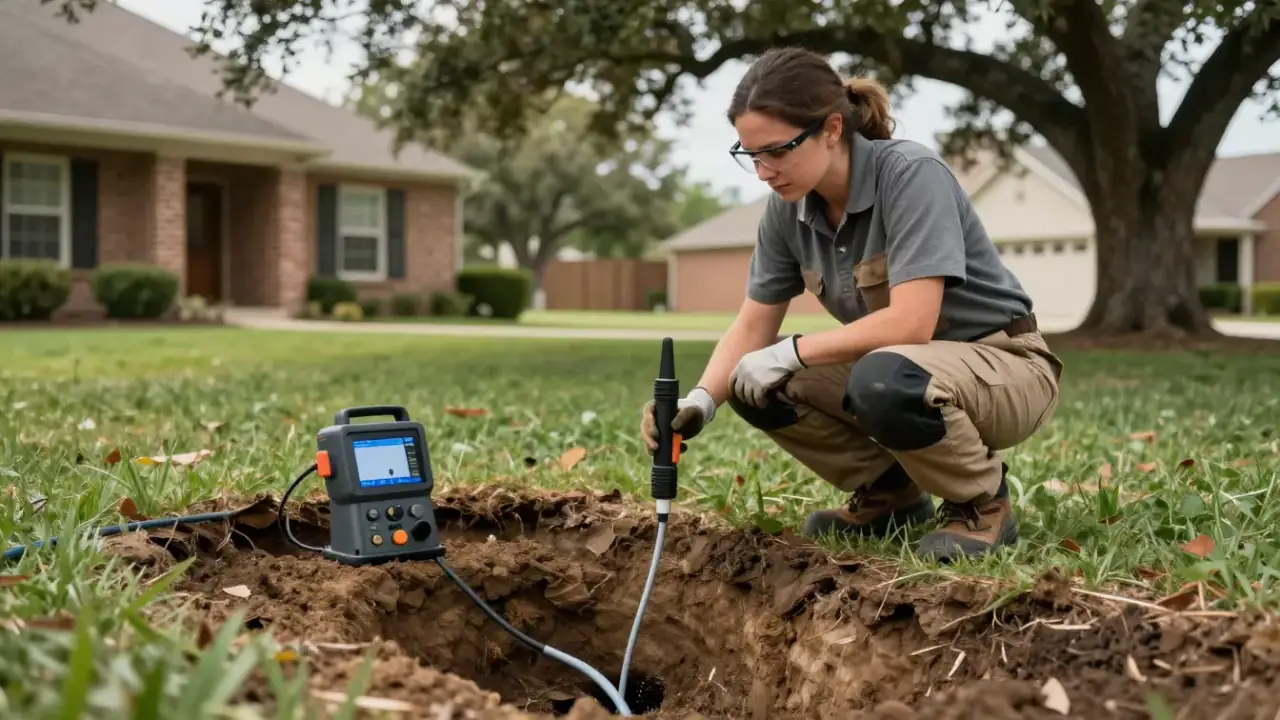
For water service line replacements, trenchless gear lets us pull new pipe through the old run with minimal digging. Used when the leak is outside the slab.
We shut off fixtures, pressurize each system separately, and watch the gauge. A dropping gauge on the hot side tells us the leak is on a hot line. This method follows International Plumbing Code practice and eliminates guesswork before detection begins.
We never trust a single tool. A leak is only marked for cutting when acoustic listening and thermal imaging agree on the same spot. That two-method confirmation is why our access points stay small and our hit rate stays high.
Repairs follow the International Plumbing Code and Uniform Plumbing Code for under-slab materials and fittings. Copper gets proper couplings, PEX gets correct crimp or expansion fittings, and no repair is covered until it passes a pressure test.
After repair, we pressurize the line to working pressure and hold it for at least 30 minutes. If the gauge moves, we keep working. You see the test result before we backfill and patch.
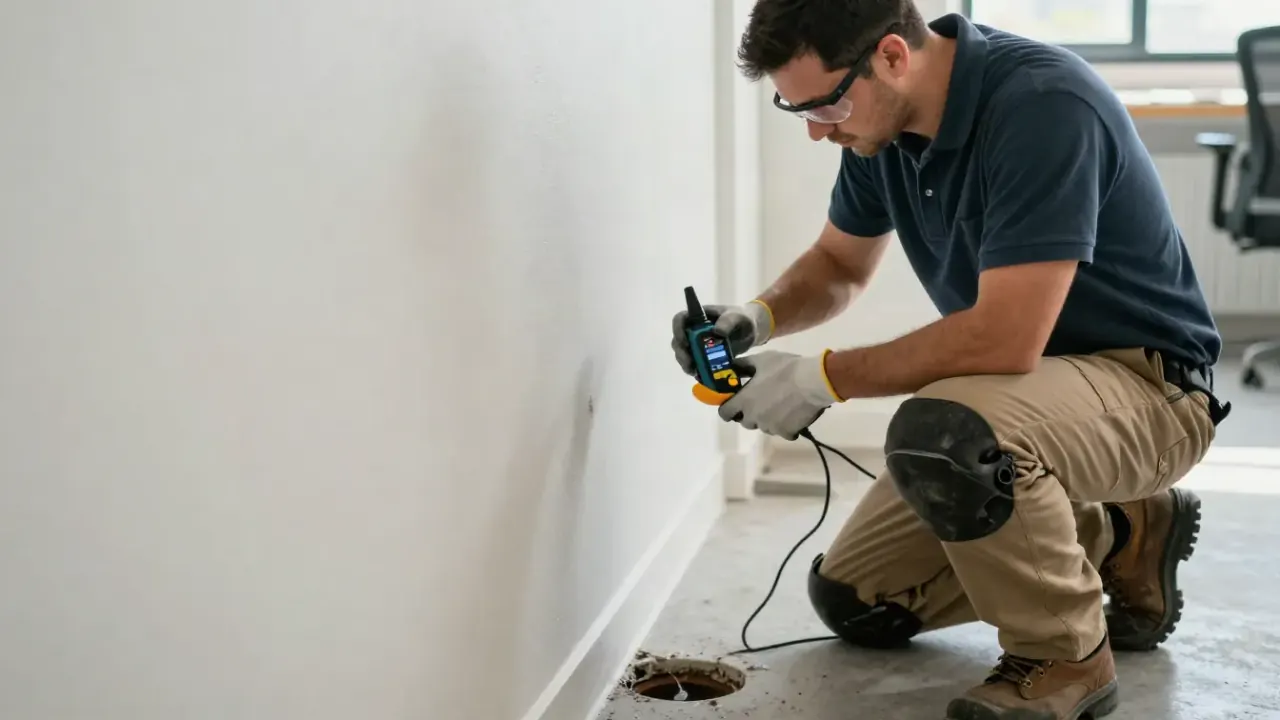
We isolated the cold side, used acoustic detection to find a pinhole in the copper under the hall bath, and repaired it with a new copper section and proper couplings. The access point was 12 inches square. The leak was fixed in one visit, the bill dropped back to normal the next cycle, and the tile was relaid the following week.
Thermal imaging confirmed a hot-side leak. We opened a small access point, replaced the failed PEX fitting, and pressure tested the line for 45 minutes before patching. The floor cooled within hours, no further concrete work was needed, and the homeowner avoided a full reroute.
We treated it as an emergency, got out the same evening, and located a leak on the main supply line under the garage slab. Repaired it that night and pressure tested before leaving. The tenant stayed in place, the owner avoided a vacancy, and the repair was documented with photos for the property file.
We used the electronic leak detection system to scan the slab after hours, found a leak on a large-diameter line, and repaired it without disrupting business hours. Water loss stopped immediately, and the property manager now has us on a standing call for annual leak checks.
Spring's expansive clay soil is the main driver of slab leaks here. The ground swells after heavy rain and shrinks hard in summer drought, and that cycle flexes foundations enough to fatigue copper and loosen fittings. Homes built in the 1970s and 1980s in Old Town Spring, Timberlane, and Northampton are prime candidates because their original copper is now 40-plus years old. Newer subdivisions like Auburn Lakes and Creekside Park use PEX, which fails differently, usually at fittings or crimp rings rather than pinholes in the pipe wall. We work in Harris County under TSBPE licensing and follow the International Plumbing Code on every repair. If you need emergency slab leak repair Spring TX on a weekend or holiday, we run 24/7 dispatch. Most of our work is in ZIP codes 77373, 77383, and 77387, plus the surrounding communities. Water pressure in this area often runs high, so we check your regulator while we are on site. Anything above 80 psi accelerates pipe wear, and a $150 pressure-reducing valve can prevent the next leak.
Older homes with original copper supply lines and pier-and-beam construction in places. We see a mix of under-slab and under-house leaks here.
Larger slab-on-grade homes with long pipe runs. Leaks often show up far from the fixture because water travels along the slab before surfacing.
Newer PEX systems where leaks tend to be at fittings and manifolds rather than in the pipe itself. Detection is faster but access can be trickier under tile.
1970s and 1980s construction with aging copper. These homes are at the top of our list for pinhole leaks and pressure-related failures.
Established neighborhood with mature trees. Root intrusion into drain lines is common and can mimic a supply-side slab leak on the water bill.
The constant ground movement flexes the slab and stresses under-slab pipes. It is the single biggest reason we see slab leaks in Spring rather than in more stable soil areas.
Pressure above 80 psi wears fittings and copper faster. We check your regulator during every visit and recommend a PRV if it is running high.
The dry season pulls moisture from the soil and the wet season pushes it back. Pipes that survived one cycle often fail on the next. We see call volume spike in late spring and again after the first fall rains.
Copper and PEX fail in different ways, so our detection approach changes with the home. We carry repair materials for both so we are not making a second trip.
A homeowner in Northampton noticed the water bill jump by $220 in one month with no change in usage. The meter spun with every fixture off. A previous plumber had suggested cutting into the living room floor without confirming the location.
We isolated the cold side, used acoustic detection to find a pinhole in the copper under the hall bath, and repaired it with a new copper section. The access point was 12 by 12 inches. The bill returned to normal the next cycle.
Maintenance: We recommended a pressure-reducing valve because the home's pressure was running at 92 psi. Keeping pressure under 80 psi will extend the life of the remaining original copper.
A family in Auburn Lakes felt a warm spot on the living room tile and smelled a faint musty odor near the baseboard. The home was built in 2014 with PEX supply lines. They feared a full reroute and weeks of construction.
Thermal imaging confirmed a hot-side leak at a PEX fitting. We opened a small access point, replaced the fitting, and pressure tested the line for 45 minutes. The floor cooled within hours and the musty smell cleared after drying.
Maintenance: We checked the home's manifold and crimp rings while on site. Having us inspect the PEX system every few years catches failing fittings before they leak.
A rental property in Timberlane had a tenant hearing water running at night. The owner was three hours away and facing a possible vacancy if the leak damaged the flooring. It was a Friday evening.
We treated it as an emergency, arrived the same evening, and located a leak on the main supply line under the garage slab. Repaired it that night and pressure tested before leaving. The tenant stayed, and the owner got photos of the repair for the file.
Maintenance: We set the property up on an annual meter check so small leaks get caught before they become emergency calls. A $0 meter test takes five minutes and saves thousands.
Most homeowners call us with a symptom, not a diagnosis. Here are the four we hear most, and what is actually happening under the slab.
A hidden under-slab leak can waste tens of thousands of gallons a month, and the loss keeps compounding until the line is repaired. We isolate the supply system, read the meter with everything off, and use acoustic detection to pinpoint the leak. Once confirmed, we repair the line and verify the meter stops spinning. Most Spring customers see the bill normalize the next cycle.
A hot water line leak under the slab heats the concrete and flooring above it, and the moisture can warp wood or loosen tile. Hot-side leaks are usually easier to locate because the thermal signature is clear. We confirm with thermal imaging, open a small access point, and repair the hot water line. The floor cools within hours of the repair.
That noise is pressurized water escaping a pipe, and it will not stop on its own. Left alone, it erodes soil and undermines the slab. We use acoustic leak detection equipment to hear the break through the concrete and a pipe locator to map the line. Then we repair the failed section and pressure test. The noise stops the moment the line is fixed.
Moisture under the slab causes soil movement and foundation stress, which shows up as cracked tile, gaps, or a floor that feels different underfoot. We find and fix the water source first, then assess whether the foundation needs an engineer. In many Spring cases, stopping the leak and letting the soil dry stabilizes the movement. We tell you honestly if more is needed.
$1,200 - $4,500 for most residential slab leak repairs, with detection at $250 - $450
Typical 2026 pricing in this area runs $1,200 to $4,500 for the full repair, with detection alone at $250 to $450. The wide range is real, and it comes down to where the leak is and how hard it is to reach. A leak under a garage slab is a different job than one under finished tile in a living room. We give you a written range after detection and a firm price before we cut. No hourly billing, no surprise concrete charges. If the repair turns out simpler than expected, the price reflects that.
The repair stops ongoing water loss that can run $150 to $400 a month, protects your foundation from five-figure damage, and prevents mold. Most homeowners recover the cost within a year through lower bills and avoided foundation work.
A leak under an unfinished garage or utility room slab is the cheapest to reach. Finished tile, hardwood, or carpet over the leak adds removal and reinstallation cost. We protect and restore flooring as part of the job.
Copper repairs need soldering and proper couplings. PEX repairs are faster but need the right fittings and crimp tools. CPVC and PVC have their own methods. Material affects both parts cost and labor time.
A leak in a straight run is straightforward. A leak under a wall footer, near a post-tension cable, or at a fitting inside a manifold is more complex and takes longer to expose and repair safely.
Sometimes rerouting the line through the attic or walls avoids concrete work entirely. It costs more in materials and labor but can be the better long-term fix. We price both options when rerouting is viable.
If moisture has reached carpet padding, baseboards, or wall cavities, drying and treatment add to the cost. Catching the leak early keeps this number low. Mold remediation, if needed, is quoted separately.
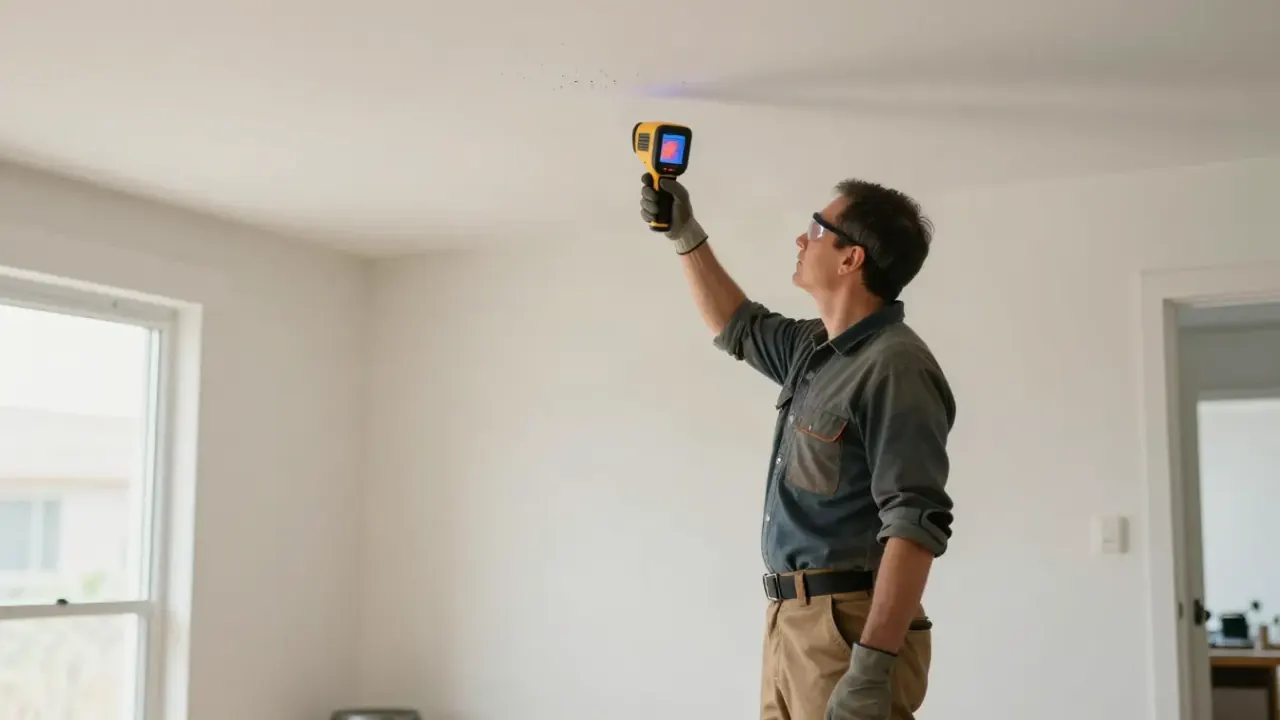
Our technicians hold Texas State Board of Plumbing Examiners (TSBPE) licenses and work under a Master Plumber License. We carry Backflow Prevention Assembly Tester certification and follow the International Plumbing Code on every repair. Slab leaks are not a side job for us. We run acoustic and thermal detection daily across Harris County, from 1970s copper systems in Old Town Spring to newer PEX builds in Creekside Park. That repetition is what makes detection fast and accurate.
Our water bill doubled in one month and we had no idea why. These guys came out, found a pinhole leak in the copper under our kitchen slab in about an hour, and had it repaired the same day. They showed me the pressure test before they patched. Bill went right back to normal. Straight shooters.
We had a warm spot on the tile floor and dreaded the thought of jackhammering. They located the leak with a camera and sound gear, cut one small square, fixed the PEX line, and patched it. You can barely tell anything happened. Fair price and they cleaned up better than they found it.
I manage several rentals and have used Spring Leak Detection on two slab leaks now. Both times they gave me a written range, stuck to it, and sent photos of the repair before the concrete went back. Tenants stayed put, no drama. They are my first call for anything under a slab.
Most slab leak repairs in Spring run $1,200 to $4,500 depending on access difficulty and pipe material. Detection alone is typically $250 to $450. A straightforward copper repair under a garage slab sits at the low end. A leak under tile in a finished living room, or one that requires rerouting, pushes toward the top. We give you a written range before any cutting starts.
The two biggest causes here are expansive clay soil and aging copper. Clay swells and shrinks with our wet-dry cycles, flexing the slab and stressing pipes until fittings fail. Copper lines from the 1970s and 1980s also pinhole from the inside out. Less common causes include poor original installation, high water pressure above 80 psi, and abrasion where pipe contacts rebar or gravel.
Sometimes, yes. If the leak is on a line that can be rerouted through the attic or walls, we can abandon the under-slab section and run new pipe overhead. That avoids concrete work entirely, though it costs more in materials and labor. When rerouting is not practical, we open the smallest access point possible, usually 12 by 12 inches, and patch it clean.
We do. Spring Leak Detection handles foundation leak repair Spring TX homeowners and businesses rely on, from detection through final pressure test. We are TSBPE-licensed, insured, and we work directly with foundation engineers when a leak has already caused structural movement. Call (281) 248-8538 and we will tell you honestly whether you need a plumber, an engineer, or both.
Not seeing your question? Our local team can help you understand urgency, scheduling and what to expect.
Ask the local team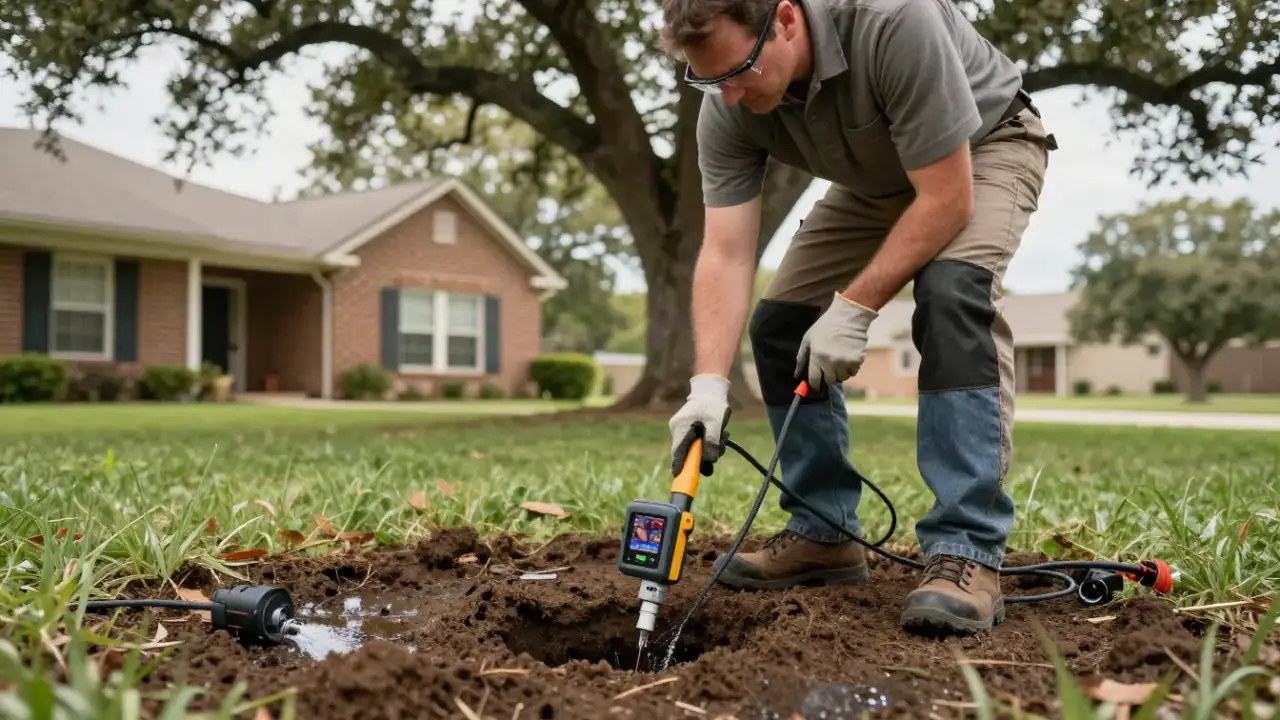
A spiking water bill is often the first sign of a slab leak. We isolate the cause, check the meter, and confirm whether the loss is under the slab, in the irrigation system, or at a fixture. This is the fastest way to know if you need slab leak repair Spring, Texas.
View service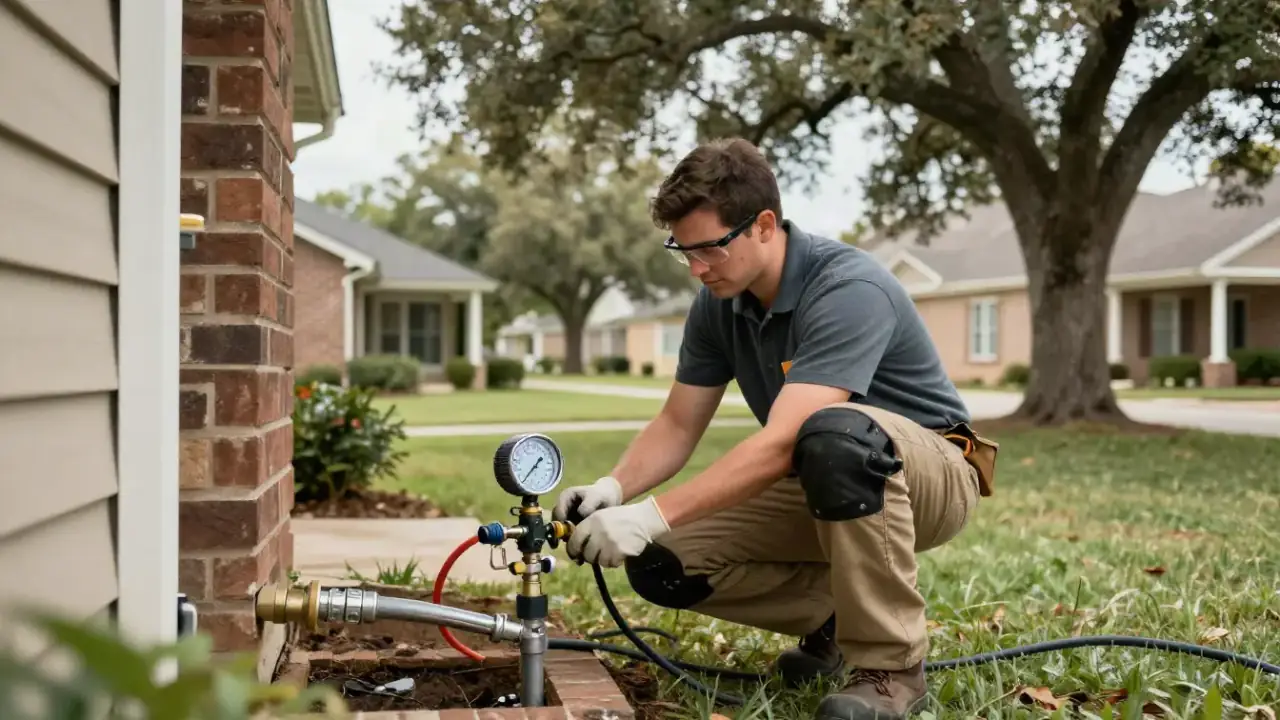
We read your meter with every fixture off to confirm an active leak, then narrow it to the supply side or drain side. That diagnosis tells us whether to focus on under slab leak repair Spring TX or a simpler fixture fix. No guesswork, just data.
View service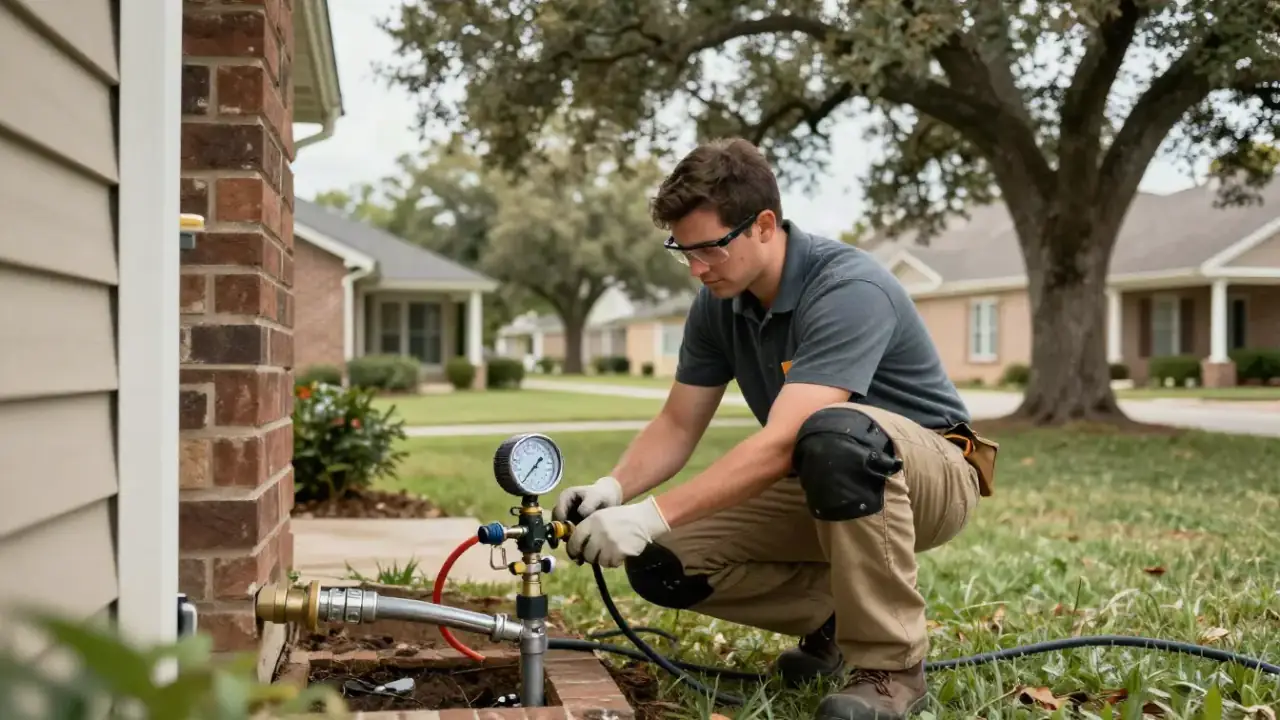
The line from the meter to your house is a common leak point in older Spring neighborhoods. We locate the break, then repair or replace the line, often with trenchless repair equipment. If the leak is outside the slab, this is the fix.
View service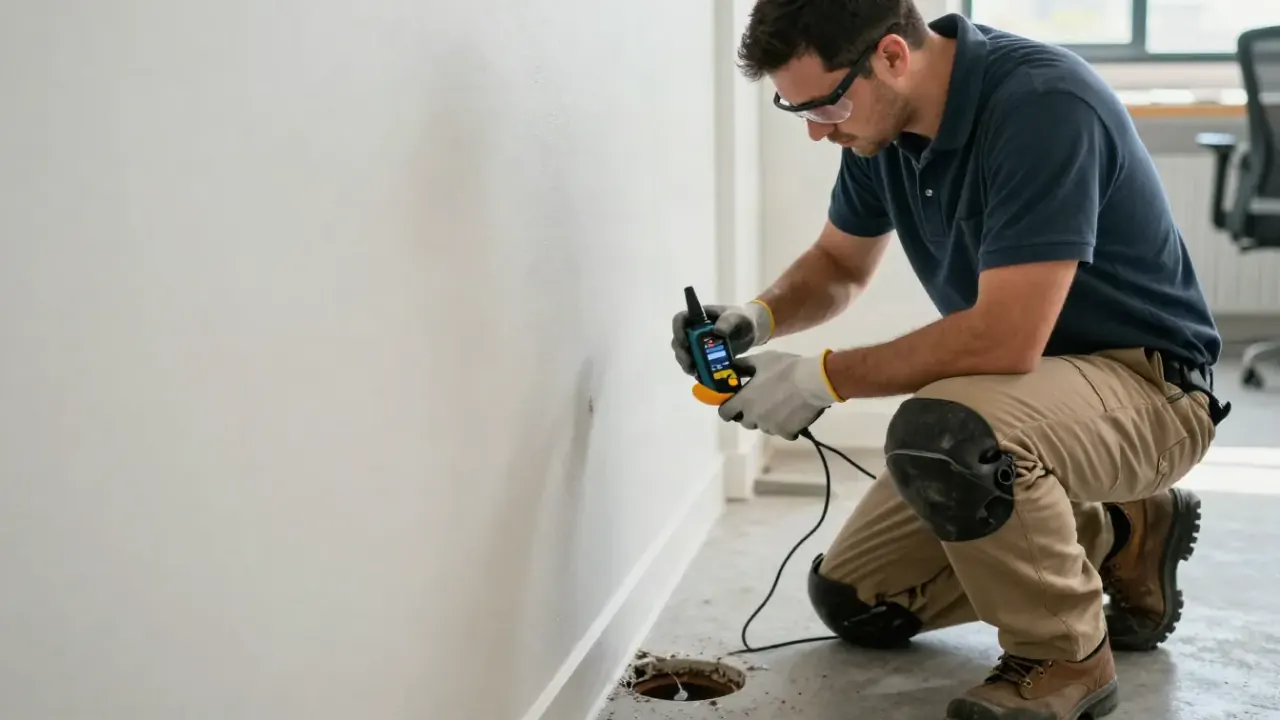
Spring retail, office, and warehouse slabs hide large-diameter lines where a small leak wastes thousands of gallons. We locate commercial leaks with the same acoustic and thermal tools, working after hours when needed to keep your business open.
View service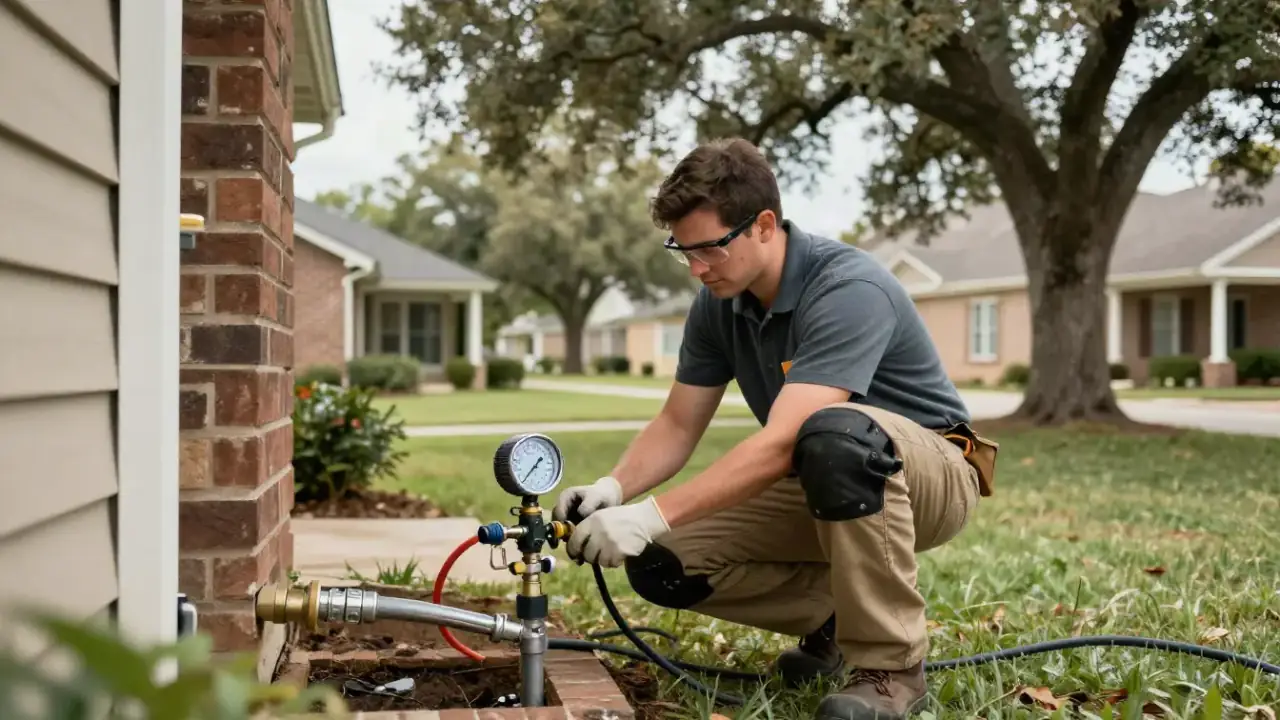
Call (281) 248-8538 and we will get a licensed tech scheduled, usually the same day. We answer the phone 24/7 for active leaks, and we cover Spring, Harris County, and the surrounding communities. Tell us what you are seeing and we will bring the right gear.