Focused arrival windows
Useful updates and clear arrival timing.
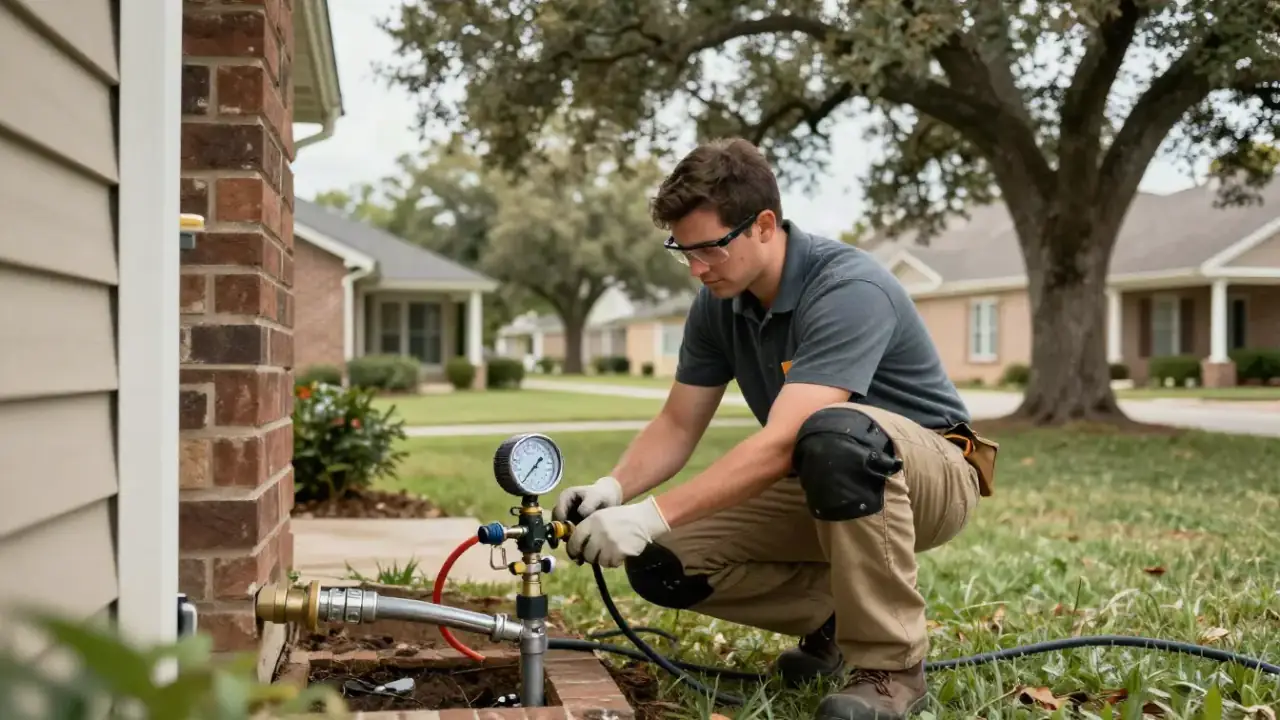
Leak Detection in Gleannloch Farms means finding the exact source of a hidden leak before it wrecks your foundation or inflates your water bill. We serve Gleannloch Farms, Gleannloch Pines, and Lochmere with acoustic listening gear, thermal imaging cameras, and pressure testing kits. One call, one visit, and you get a straight answer on where the water is going.
Useful updates and clear arrival timing.
Review the approach and price before deciding.
Equipped vehicles and respectful cleanup.
Neighbors serving neighbors with follow-through.
Leak Detection in Gleannloch Farms is the service that finds hidden water loss in slab foundations, service lines, irrigation systems, and pool plumbing before it turns into a five-figure repair. We work this community every week, from Gleannloch Farms Estates to Gleannloch Village, and we know how the expansive clay soil under these homes moves with every wet and dry cycle. That movement stresses copper pipe and PEX tubing buried under slabs and in yards. We use acoustic leak detection equipment, thermal imaging cameras, and pressure testing kits to pinpoint the source without tearing up your floors. If you need water leak detection Gleannloch Farms homeowners trust, we are the crew that shows up with the right gear and the experience to read it. We also handle emergency Leak Detection Gleannloch Farms TX calls when a line lets go at 2 a.m. or a water heater decides to leak the night before a holiday.
Gleannloch Farms Leak Detection calls range from a slow drip under a kitchen sink to a full underground pipe leak that has been running for months. We handle all of it. If you have been searching for Leak Detection Gleannloch Farms TX near me, this is the list of what we actually do when we get to your address. Every job starts with location, not demolition.
Slab leaks are the number one call we get in Gleannloch Farms Estates and Gleannloch Pines. The clay soil shifts, the copper pipe under the slab cracks, and you get a hot spot on the floor or a water bill that doubles. We locate the break with acoustic gear and thermal imaging, then repair it with minimal concrete removal.
View service →02When your bill jumps from $80 to $300 and nothing changed, you have a leak. We start at the meter, isolate the house from the irrigation system, and use pressure testing to find which side is losing water. Most Gleannloch Village and Lochmere customers get an answer in under two hours.
View service →03A spinning meter with everything off is a confirmed leak. We use electronic leak detection systems to trace the line from the meter to the house and find the break. In Gleannloch Farms, the culprit is often the service line where it crosses under the driveway or a root-heavy yard.
View service →04The service line runs from the city meter to your house, and when it fails you lose water pressure and gain a soggy spot in the yard. We locate it with a pipe locator, dig a clean access, and repair or replace the section. Trenchless repair equipment keeps the damage to your landscaping minimal.
View service →05Commercial properties around Gleannloch Farms Community Center and the retail pockets need leak location that does not shut down business. We work after hours and on weekends, using video pipe inspection cameras and acoustic equipment to find leaks in walls, under slabs, and in irrigation loops without guesswork.
View service →06A brown ring on the ceiling or a bubbling paint line on the wall means water is traveling from somewhere else. We use moisture meters and thermal imaging to trace it back to the source, then repair the pipe and dry the cavity. Most of these in Gleannloch Farms come from upstairs fixtures or roof-line penetrations.
View service →07Underground leaks in the yard are common in Gleannloch Farms because the clay soil moves and the PVC pipe and fittings do not. We locate the break with acoustic listening, dig a targeted hole, and repair the line with code-correct materials. No trench across the whole yard.
View service →08Gleannloch Farms has thousands of irrigation zones, and every one of them has a valve that can fail. A stuck zone valve or a cracked lateral line can waste 500 gallons a day. We pressure test each zone, find the break, and repair the sprinkler line without disturbing the rest of the system.
View service →09Pool leaks in Gleannloch Farms usually show up as a pump that loses prime or a water level that drops faster than evaporation. We pressure test the plumbing, check the light niche and skimmer, and locate the leak with dye testing. Most repairs are done without draining the pool.
View service →When you call us for Leak Detection near Gleannloch Farms, we start with a conversation and a look at your water meter. If the meter is spinning with everything off, we know you have a live leak. From there we isolate the irrigation system, the pool, and the house so we are not chasing the wrong line. We use acoustic leak detection equipment to listen for the hiss of water escaping under pressure, and a thermal imaging camera to see temperature differences in the slab or wall. A pressure testing kit confirms which line is losing pressure. If the leak is under a slab, we mark the floor with tape and show you exactly where we are going to cut. If it is in the yard, we use a pipe locator to trace the line and dig a clean access. We pull permits when the work requires it, and we follow the International Plumbing Code and local amendments. Most residential jobs in Gleannloch Farms are done in one visit, and we test the repair before we pack up.
The soil under Gleannloch Farms swells when it rains and shrinks in drought, and that movement cracks copper pipe and shears fittings under the slab. We see more slab leaks here after a wet spring or a dry summer than in neighborhoods on sandier ground. We locate the break with acoustic equipment and thermal imaging before we cut concrete. That means one small access point instead of exploratory demolition, and we can tell you whether the leak is in the hot line, cold line, or drain before the saw comes out.
Many Gleannloch Farms yards have irrigation systems that have been running for years. Valves stick, lateral lines crack, and a single broken head can waste hundreds of gallons a day without leaving a puddle you can see. We pressure test each zone individually and use acoustic listening to find the failed section. Then we repair the valve or lateral line and re-check the zone pressure. You get a system that runs at the right pressure and a water bill that reflects it.
When the ground temperature climbs past 100 degrees in July and August, the soil dries and pulls away from the pipe. That movement puts stress on PVC and copper joints, and that is when we get the calls for underground pipe leaks. We schedule these calls same-day when possible and use a pipe locator to trace the line before we dig. Our repairs use materials rated for the temperature swings, and we backfill with soil that will not hold water against the pipe.
The IPC sets the standards for pipe materials, joint connections, and pressure testing. When we repair a service line or a slab leak in Gleannloch Farms, we follow the IPC so the repair passes inspection and holds up. It also dictates the minimum burial depth for underground lines.
Any leak detection and repair work in Texas that involves plumbing must be done by a licensed plumber or under the supervision of one. We hold the required licenses, and we pull permits when the scope of work requires it. That protects you at resale and keeps the work insurable.
Gleannloch Farms has its own set of leak problems, and they come from the soil, the climate, and the age of the plumbing. The clay soil moves, the summers bake the ground, and the irrigation systems run hard. Here are the four issues we see most often and how we handle them.
The expansive clay under Gleannloch Farms swells when it is wet and shrinks when it is dry. That cycle puts stress on the copper pipe and PEX tubing under your slab. Eventually a joint or a pipe wall fails, and you get a leak that soaks the soil under the foundation. We use acoustic leak detection equipment and thermal imaging to find the exact spot before we cut. That means one small access hole instead of exploratory demolition. We repair the pipe, pressure test it, and backfill with material that will not hold water against the line.
Gleannloch Farms has thousands of irrigation zones, and the valves take a beating. A stuck valve can run a zone 24/7, and a cracked lateral line can lose hundreds of gallons a day. You may not see a puddle because the water soaks into the clay. We isolate the irrigation system from the house and pressure test each zone. A failed valve or lateral line shows up immediately. We repair the valve or the line, re-check the zone pressure, and show you the old part so you know what failed.
The water service line runs from the meter to your house, and in many Gleannloch Farms yards it passes under a driveway or a mature tree. The soil movement and root pressure crack the pipe, and you lose water pressure and gain a soggy spot that never dries. We use a pipe locator to trace the line and acoustic listening to find the break. Then we dig a targeted access and repair the section with code-correct materials. We do not trench the whole yard, and we restore the surface when we are done.
Lochmere has a lot of pools, and the plumbing under the deck is under constant pressure. A small crack in a return line or a failed check valve can drop the water level an inch or two a day. Most homeowners assume it is evaporation until the pump starts losing prime. We pressure test the pool plumbing and use dye testing around the skimmer, light niche, and returns. Once we find the leak, we excavate the line and replace the failed section. Most repairs are done without draining the pool, and we pressure test the whole loop before we backfill.
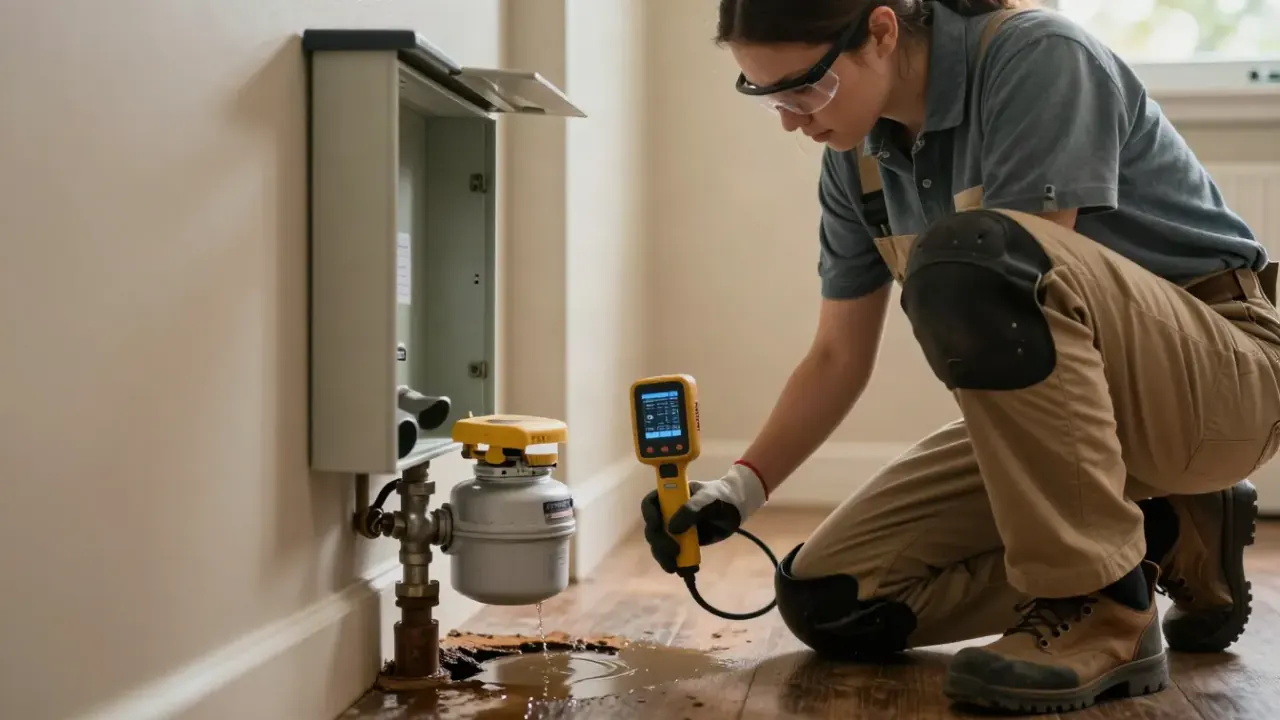
Typical 2026 pricing for Leak Detection in Gleannloch Farms runs $180 to $450 for the detection visit, depending on how many systems we have to isolate. If we find the leak and repair it the same day, the repair is quoted separately before we start. Slab leak repairs usually run $1,200 to $2,800 because of the concrete access and the pipe work. Service line repairs run $1,500 to $4,000 depending on depth and length. Irrigation and pool leaks are often under $800. We give you the detection price upfront on the phone, and we do not charge extra for after-hours calls on emergency leaks. If you are searching for affordable Leak Detection in Gleannloch Farms, ask us for the flat-rate detection price before we come out.
A house with a pool, irrigation, and a slab is more complex to diagnose than a simple service line leak. We have to isolate each system and test it separately, which adds time. The detection price reflects that, but it saves you from paying for a repair on the wrong line.
A leak under a slab or a deep service line takes more labor to reach than a leak in an exposed wall. In Gleannloch Farms, the clay soil can be hard to dig, and we may need a pipe locator and a larger access. That affects the repair cost, not the detection fee.
We do not charge a premium for after-hours emergency calls in Gleannloch Farms. The price is the same whether you call at 2 p.m. or 2 a.m. What changes is availability. If you can wait for a scheduled slot, you get more flexibility on the time.
Gleannloch Farms is a big community, and the landmarks help us get to you faster. We use Gleannloch Pines Golf Club and Gleannloch Farms Community Center as our main orientation points when we are routing calls. Spring Creek and Kleb Woods Nature Preserve mark the edges of the area, and Gleannloch Farms Park is a good reference for the streets on the west side. When you call, we will ask for the nearest landmark so we can send the closest truck.
The golf club is a central orientation point for the Pines and Estates sections. We use it to route to addresses on the north side of the community and to estimate drive times when we are dispatching from Spring.
The community center sits near the middle of Gleannloch Farms, and we use it as a reference for the Village and the surrounding residential streets. It helps us pick the fastest entrance when we are coming from the south.
Kleb Woods marks the northwest edge of the area. When a call comes in from a street near the preserve, we know to approach from the north and avoid the longer route through the middle of the community.
Spring Creek runs along the southern and eastern boundaries of Gleannloch Farms. It is a useful reference for the low-lying streets where the soil stays wetter longer and where we see more underground pipe issues.
The park is a good reference for the west-side residential streets. We use it to orient calls in the Lochmere and Village areas when the address is near the greenbelt.
The area around the community center includes retail and service businesses that need leak location without disrupting customers. We work after hours and on weekends for these properties so the repair does not cost them a day of business.
The small commercial pocket near Gleannloch Village serves the surrounding neighborhoods with restaurants and offices. These buildings have older plumbing and irrigation, and we handle their leak calls with the same equipment we use on residential slabs.
Spring Creek Drive is a main access road along the south side of Gleannloch Farms. We use it to reach the Lochmere and Village sections quickly when we are coming from the Spring base.
The main boulevard runs through the center of the community and connects the Pines, Estates, and Village sections. It is our primary route when we are dispatching multiple calls in one day.
We work all over Gleannloch Farms, from the estate sections to the village streets. Each neighborhood has its own plumbing personality, and we know the difference. Here is where we spend most of our time and what we typically find there.
Gleannloch Pines has a mix of larger homes with long service lines and heavy irrigation use. We get a lot of slab leak calls here after the soil shifts, and the water bills can climb fast because the lots are bigger. The golf course side tends to have more irrigation-related leaks. We are usually in Gleannloch Pines within 30 to 45 minutes of your call, and we know the streets well enough to find your address without circling.
The Estates section has some of the oldest plumbing in the community, and we see more copper pipe failures here than anywhere else in Gleannloch Farms. The clay soil is active, and the original service lines are reaching the end of their service life. If your water bill jumps, this is usually why. We route through Gleannloch Farms Community Center to reach the Estates, so response times are typically under 40 minutes during normal hours.
Lochmere has a lot of pool and spa plumbing, and we get called out for pool leaks that turn out to be a failed check valve or a cracked line under the deck. The irrigation systems here are also mature, and zone valve failures are common. We keep pool leak detection gear on the truck for this area. Lochmere is a short drive from our Spring base, and we can usually be there within 30 minutes for emergency calls.
Gleannloch Village has more townhome and patio-home plumbing, which means shared walls and tighter access. Ceiling and wall leaks are common here because a leak in one unit can show up in the unit next door. We use moisture meters and thermal imaging to trace it back to the source before we open anything up. We know the Village layout and the shared-wall construction, so we can get to the right unit and the right wall without wasted time.
These are real jobs we have done in Gleannloch Farms. The names are changed, but the details are accurate. They show what we find, how we fix it, and what it costs when you catch a leak early instead of waiting for the foundation to crack.
A homeowner in Gleannloch Pines noticed a warm spot on the kitchen floor and a water bill that jumped from $90 to $340 in one month. The slab was dry on the surface but the meter was spinning. We used acoustic leak detection equipment to listen to the slab and a thermal imaging camera to confirm the hot water line was leaking under the kitchen. We cut a 2-foot by 2-foot access in the tile, repaired the copper pipe with a new section and solder, and pressure tested the line at 80 psi for an hour. The repair was done in one day, the water bill dropped back to normal the next cycle, and the homeowner saved the cost of a full repipe. Total job came in under $1,800 including the tile repair.
A property manager near Gleannloch Farms Community Center had a tenant reporting water pooling in a parking lot. The irrigation system was the first suspect, but the zones held pressure when we tested them. We isolated the building from the irrigation and found the meter still spinning. A pipe locator traced the service line under the lot, and acoustic listening pinpointed a break at a joint. We excavated a 3-foot section, replaced the failed PVC pipe and fittings, and backfilled with compacted soil. The leak was fixed in four hours without shutting down the building. The property manager avoided a $6,000 repaving job because we found the exact spot instead of trenching the whole lot.
A Lochmere homeowner with a pool and spa noticed the water level dropping two inches a day and the pump losing prime. The pool company had already checked the equipment and found nothing. We pressure tested the pool plumbing and used dye testing around the skimmer and light niche. The leak was in an underground return line about 12 feet from the pool edge. We excavated the line, replaced the cracked section with new PVC pipe, and pressure tested the entire loop before backfilling. The pool held water overnight, the pump stopped losing prime, and the homeowner avoided draining and resurfacing the pool. The repair cost $1,200 instead of the $8,000 the pool company had quoted for a full replumb.
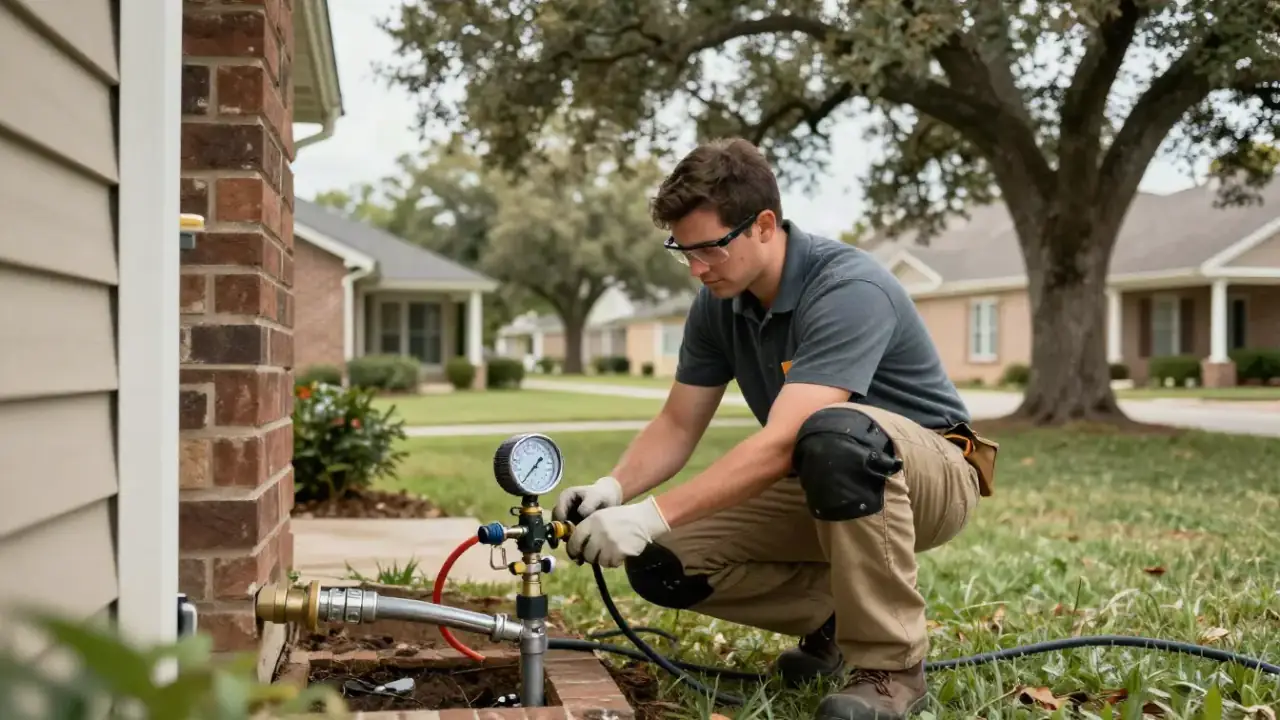
We had a slab leak in Gleannloch Pines and two other companies told us we needed a full repipe. Spring Leak Detection found the exact spot with their acoustic gear in about an hour. They cut one small hole in the floor, fixed the pipe, and tested it. Water bill is back to normal. Straight shooters.
Our water bill doubled and we could not figure out why. They came out same day, isolated the irrigation system, and found a broken zone valve in the backyard. Fixed it in under two hours and showed us the old part. No upsell, no pressure. We have used them twice since for a pool leak.
Called at 11 p.m. with water coming through the ceiling in our Gleannloch Village townhome. They had a tech out in about 40 minutes, found the leak in the upstairs bathroom supply line, and shut it down. Came back the next morning to repair it. Professional and calm when we were not.
Gleannloch Farms does not get harsh winters, but the seasonal swings still drive leak calls. The soil moves, the temperatures climb, and the irrigation systems cycle on and off. If you know what to expect each season, you can catch a leak before it becomes a foundation problem. Here is how the year breaks down.
Spring is when the soil is wettest and the clay is swelling. That movement puts stress on underground pipes and slab plumbing. We see a spike in slab leak calls in April and May, especially after a heavy rain. Irrigation systems are also coming back on, so valve failures show up now.
Summer is the busiest season for water bills and irrigation leaks. The heat stresses the pipes, the ground dries and pulls away, and the irrigation system runs every day. A broken sprinkler head or a stuck valve can waste thousands of gallons before you notice. Pool leaks also show up more in summer because the water level drops faster.
Fall is when the soil starts to dry out and shrink again. That movement can open up a joint that was barely holding in the summer. We get a second wave of slab leak calls in October and November. It is also a good time to check your irrigation system before you shut it down for winter.
Winter in Gleannloch Farms is mild, but we do get freezes. When the temperature drops below freezing, exposed pipes in attics and garages can burst. We also see more ceiling and wall leaks in winter because the freeze-thaw cycle opens up joints. The good news is the soil is stable, so slab leaks are less common.
Gleannloch Farms sits in the northwest corner of the Spring area, and we cover the surrounding communities from the same dispatch center. If you are in one of these nearby cities, we can usually get to you within the same response window. The same trucks, the same equipment, the same licensed plumbers.
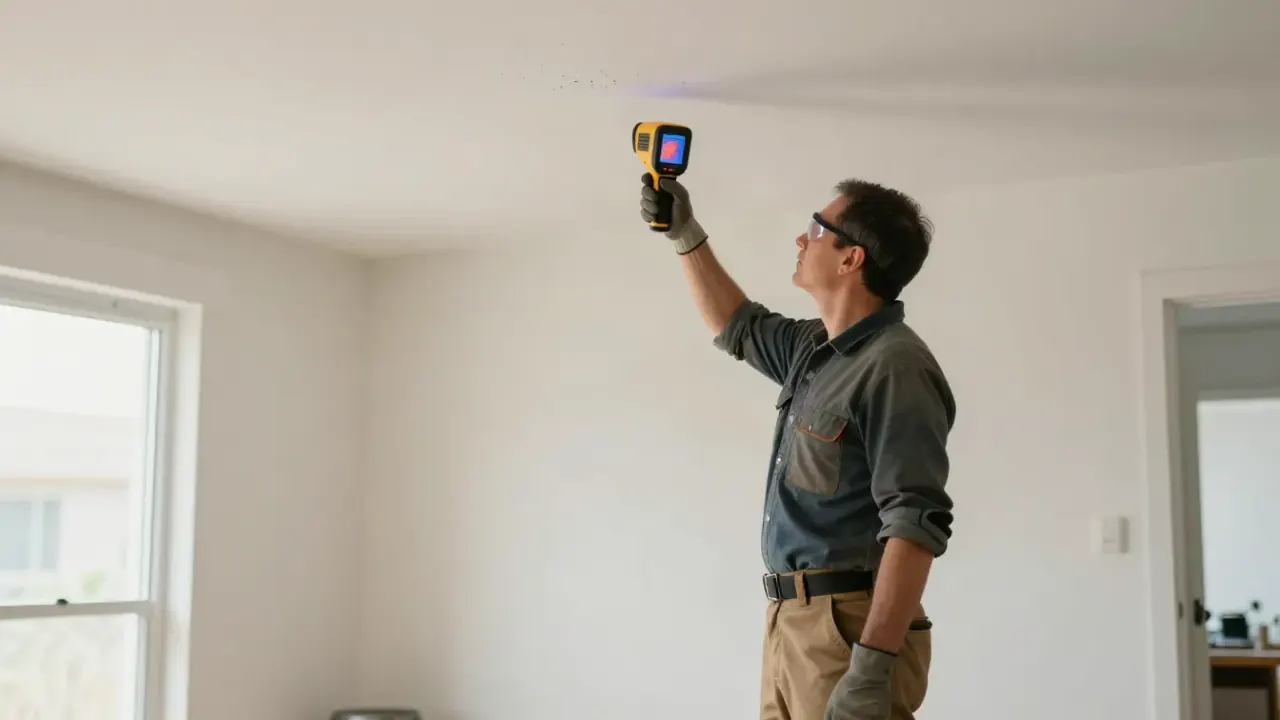
Old Town Spring is about 15 minutes southeast of Gleannloch Farms. We serve the older homes and commercial buildings there with the same leak detection equipment.
Local coverage and details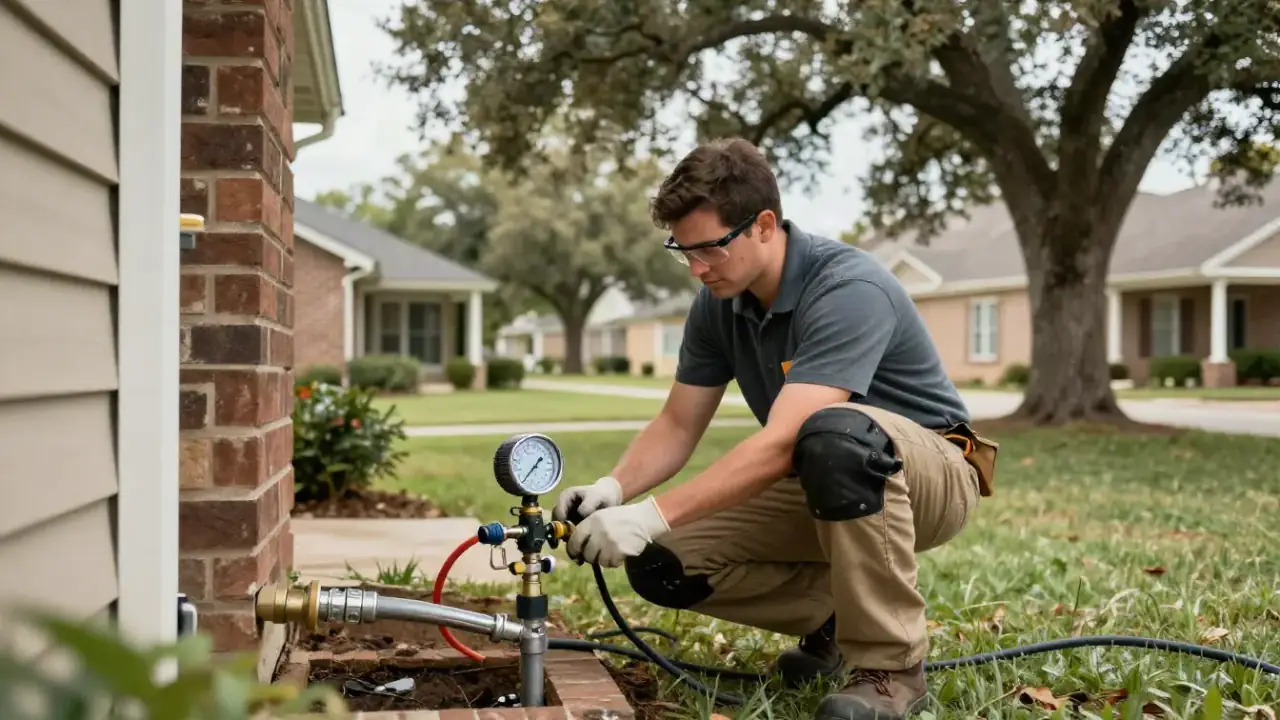
Champion Forest is just east of Gleannloch Farms, and we cover it on the same routes. Many of our Gleannloch customers have family there and call us for both addresses.
Local coverage and details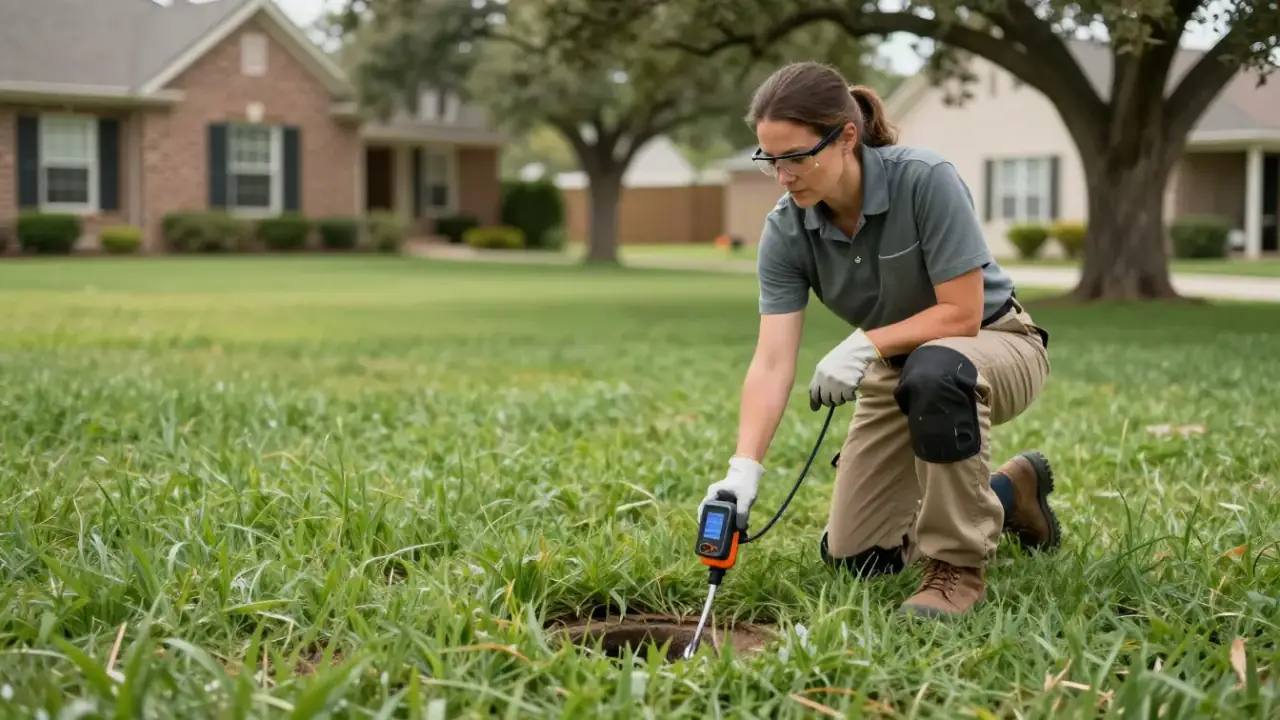
Augusta Pines is a short drive north of Gleannloch Farms. We handle slab and irrigation leaks there with the same crew that works Gleannloch Pines.
Local coverage and details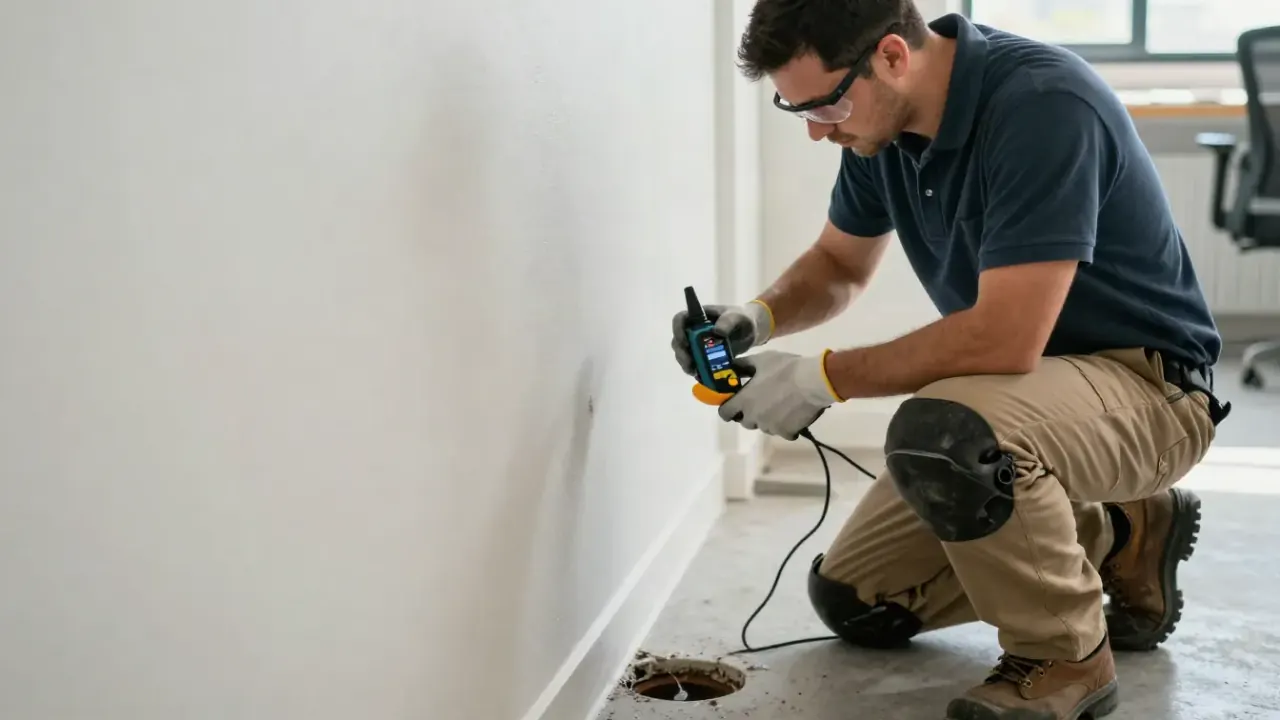
Windrose is west of Gleannloch Farms, about 10 minutes away. The clay soil issues are similar, and we see the same slab leak patterns there.
Local coverage and detailsNot every leak detection company in Gleannloch Farms uses the same equipment or the same standards. Some will guess and cut. Some will sell you a repipe when you need a $200 repair. These are the questions that separate a real leak detection pro from a parts changer.
A company that only uses a stethoscope and a flashlight is guessing. We use acoustic leak detection equipment, thermal imaging cameras, and pressure testing kits. The answer tells you whether they can pinpoint the leak or whether they will cut exploratory holes until they find it.
Leak detection and repair work in Texas requires a TSBPE license. If the company cannot show you a license, they cannot legally do the repair. Insurance matters too. If they break a pipe or flood your house, you want their coverage to pay for it, not yours.
Some companies charge a detection fee and then credit it toward the repair. Others charge both. We give you the detection price upfront and quote the repair separately. Ask how the fee works so you are not surprised when the invoice comes.
A good leak detection company will mark the floor or the yard and show you exactly where the leak is before they open anything up. If they cannot show you the spot, they are not confident. We tape the floor and walk you through the evidence before the saw comes out.
A repaired pipe should hold. Ask how long the warranty lasts and what it covers. We warranty our repairs for one year on the workmanship. If the same spot leaks again, we come back and fix it. That is the standard you should expect.
Texas Commission on Environmental Quality
Occupational Safety and Health Administration
$2M general liability and workers compensation
Member
Member
Most detection visits in Gleannloch Farms run $180 to $450 in 2026, depending on how many systems we have to isolate. If we find the leak and repair it the same day, the repair is quoted separately before we start. Slab leak repairs typically run $1,200 to $2,800. We give you the detection price upfront on the phone, and there is no extra charge for after-hours emergency calls.
The best company is the one that shows up with acoustic equipment, thermal imaging, and a license, and then shows you the leak location before cutting. We have been working Gleannloch Farms for years, from Gleannloch Pines to Lochmere, and we warranty our repairs for one year. Ask any company what equipment they use and whether they are TSBPE licensed. That will tell you what you need to know.
Yes. We answer the phone 24/7 for emergency Leak Detection in Gleannloch Farms. If you have water actively running and cannot shut it off, call us at (281) 248-8538 and we will walk you through the shutoff while a tech is dispatched. There is no after-hours premium. The price is the same at 2 a.m. as it is at 2 p.m.
Start by asking whether the company uses acoustic leak detection equipment and thermal imaging, and whether they are licensed by the Texas State Board of Plumbing Examiners. Then ask if they charge for the detection visit and whether they credit it toward the repair. We serve all of Gleannloch Farms, including Gleannloch Pines, Gleannloch Farms Estates, Lochmere, and Gleannloch Village, and we can usually be there the same day.
Shut off the water at the meter if you can, and call us. A slab leak in Gleannloch Farms will not stop on its own, and the longer it runs, the more the clay soil moves and the more concrete we have to cut. We use acoustic equipment and thermal imaging to find the exact spot, then repair the pipe with minimal access. Most slab leak repairs are done in one day.
Not seeing your question? Our local team can help you understand urgency, scheduling and what to expect.
Ask the local team
Call (281) 248-8538 and we will get a licensed tech scheduled, usually the same day. We answer the phone 24/7 for active leaks, and we cover Spring, Harris County, and the surrounding communities. Tell us what you are seeing and we will bring the right gear.